Shop Talk Blog

The Official Blog for Texas Final Drive

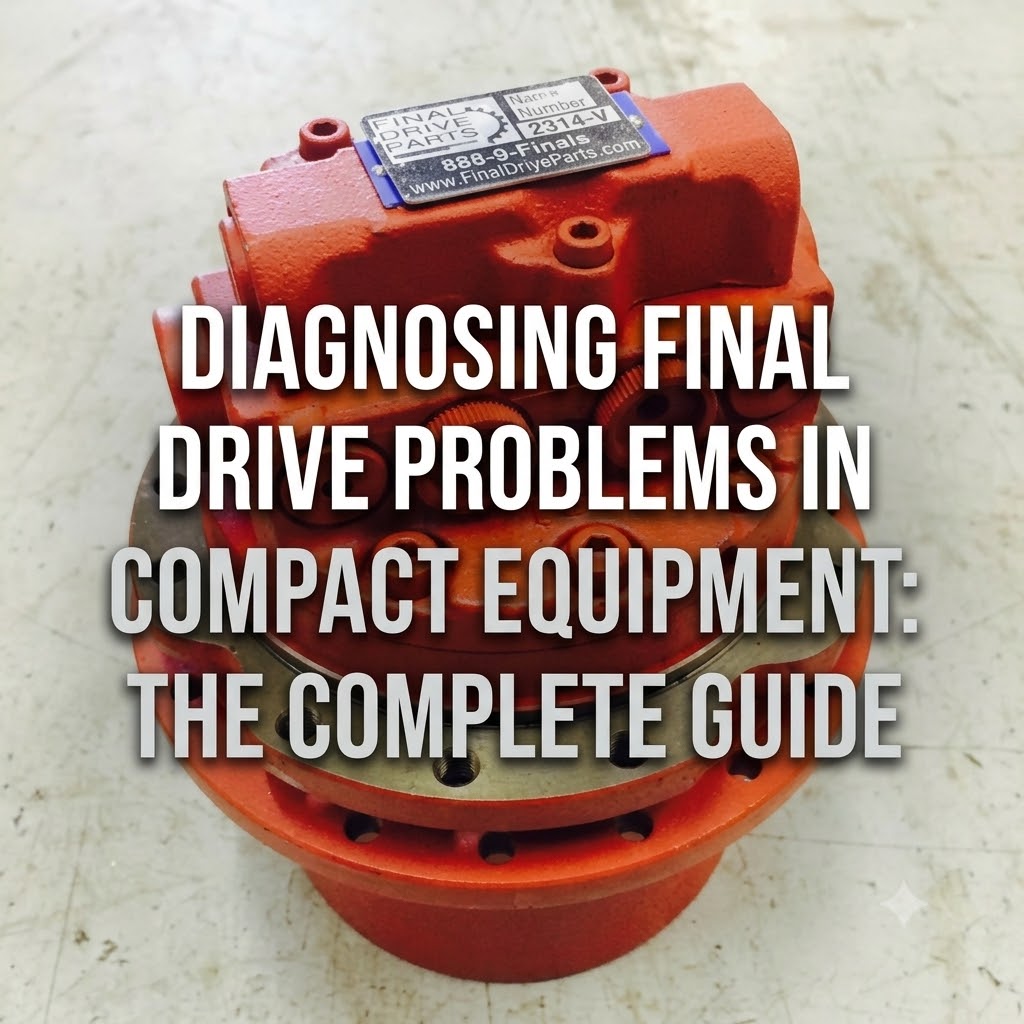
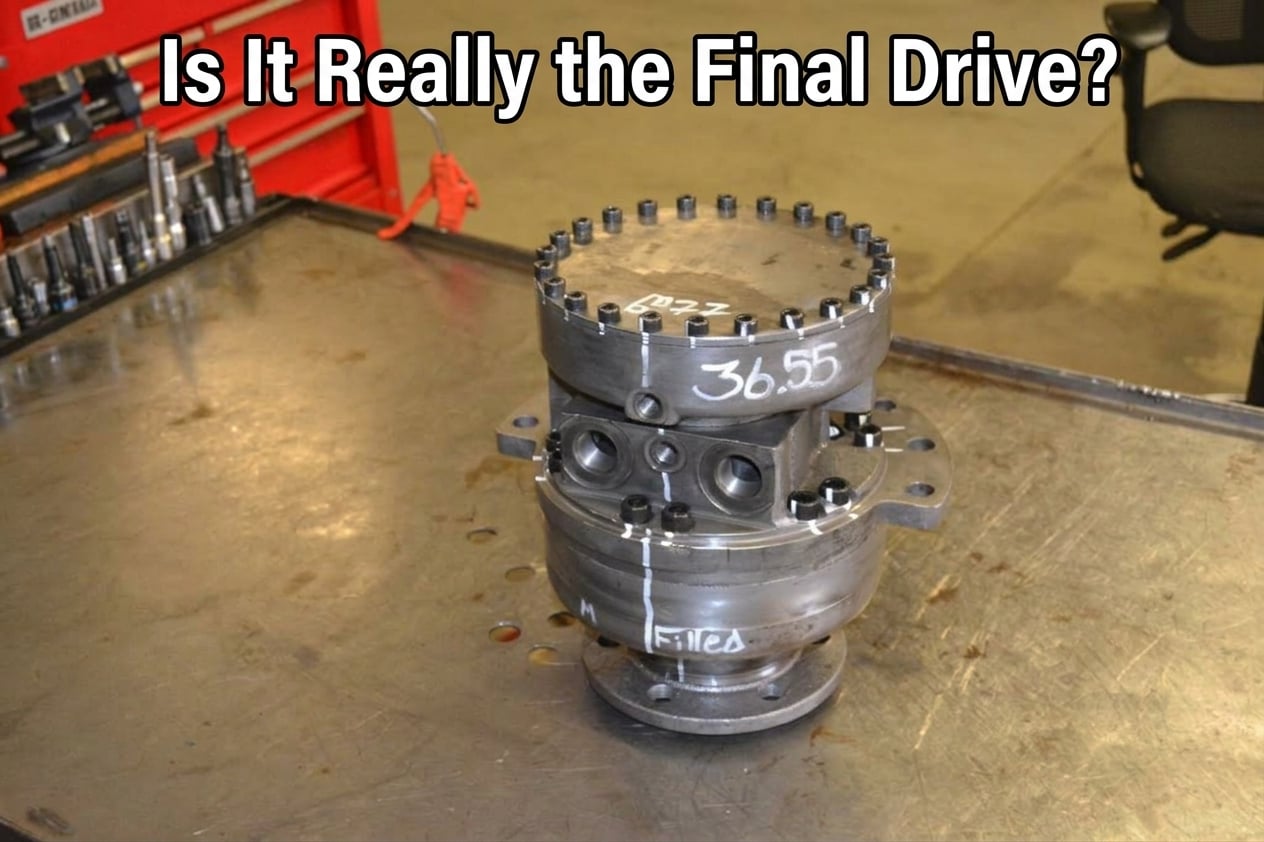
Diagnosing Final Drive Problems in Compact Equipment: The Complete Guide

When a final drive starts acting up, the instinct is to jump straight to "I need a new one." Sometimes that's true. Often it isn't. A weak charge pump, a clogged case drain filter, tracks set too tight, or a machine stuck in high-speed mode can all mimic final drive failure perfectly. And if you replace the drive without finding the real cause, you'll be back in the same spot in a few hundred hours, except now you're out the cost of a motor too.

This guide pulls together everything we've learned diagnosing final drives at Texas Final Drive. From the questions to ask before you even open a toolbox, to symptom-by-symptom troubleshooting, to the tests our techs actually run in the shop, you can find information here. Whether you're running a single skid steer or managing a fleet, the goal is the same: figure out what's really wrong before you spend a dollar fixing it.

Hidden Ways Your Mini Excavator Final Drives Cost You Money (and How to Stop It)

You’re wrapping up a long day when you notice something small, like sluggish travel speed, uneven tracks, or a dark spot under your machine. It’s easy to ignore, right? And doesn’t seem to be a big deal. It can wait a few days. But far too often, a few days turn into weeks and months, and minor issues turn into significant problems fast. And keep this in mind: Every minute of downtime, every drop of leaking fluid, and every bit of neglect quietly eats into your bottom line.

In this Shop Talk Blog post, we’re going to look at five ways your mini excavator might be draining your wallet and what you can do about it.


Here are a few Shop Talk Blog posts you might find interesting:


Ignoring Track Tension

If you don’t keep the tracks on your compact excavator at the proper tension, there’s going to be some problems. If you keep them too tight, you’re going to see excessive wear on critical components like the sprockets and rollers -- and your final drive motors. On the other hand, if the tracks aren’t kept tight enough, the tracks are more likely to slip and risk derailing in the middle of a job. 

Reliability and Your Hydraulic Equipment

Have you ever had a skid steer or excavator break down in the middle of a big job?

Hydraulic reliability isn’t just about uptime. It’s actually about keeping your equipment operational to avoid lost income, missed deadlines, and protecting the investment you've made in your equipment. 

In this Shop Talk Blog, we’re going to discuss how reliability is built, not something to take for granted. It starts with good habits, regular checks, and a strong maintenance culture.


Here are a few other Shop Talk Blog posts you might be interested in:


The Cost of Unreliable Hydraulics

A single hydraulic failure can have ripple effects on your compact equipment, including costly downtime, missed deadlines, and expensive repairs. And contamination and improper maintenance are among the top causes of failure for hydraulic equipment. Investing in the reliability of your equipment, on the other hand, pays for itself in fewer breakdowns, longer component life, and the ability to maintain the equipment's value. Let’s take a look at what your investment in reliability looks like.

A Masterclass in Maintaining Your Final Drives

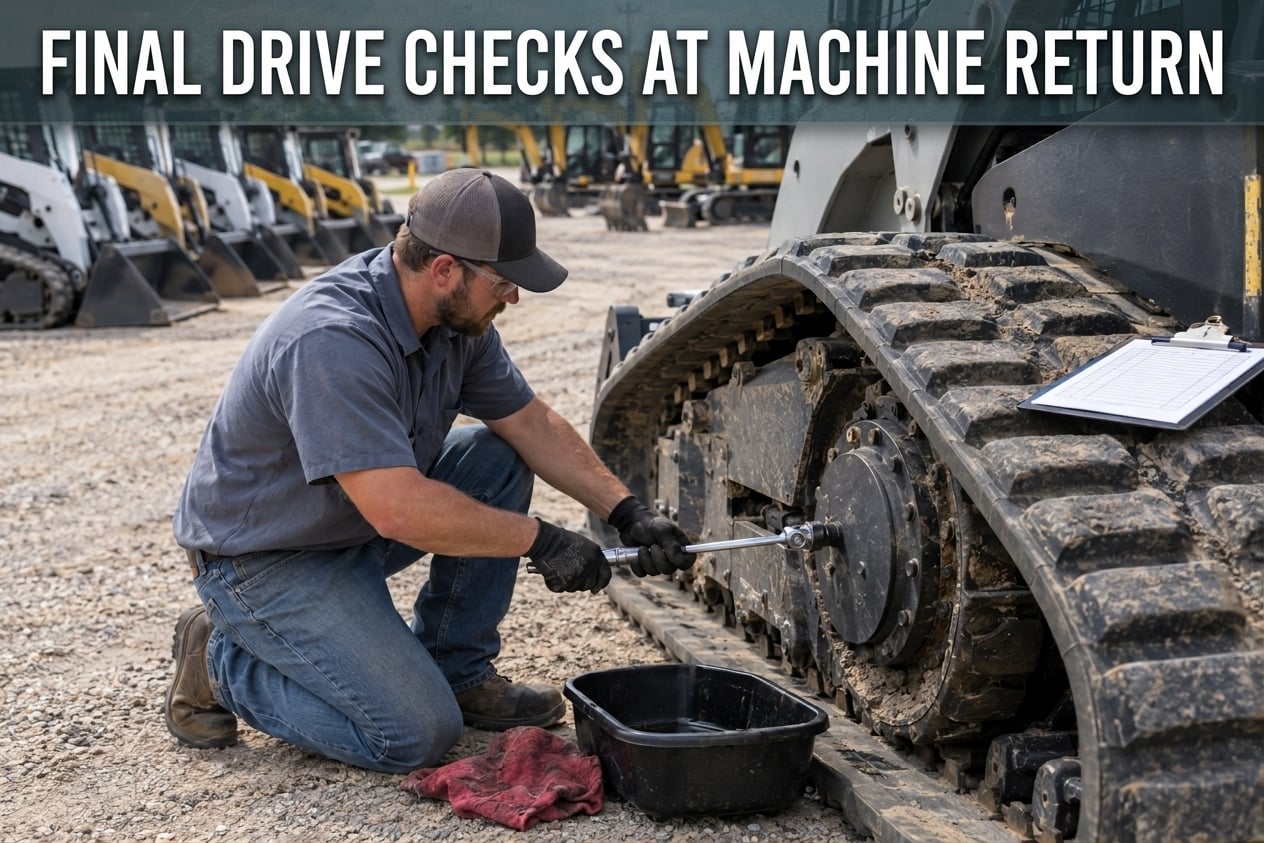
If there’s one thing we know here at Texas Final Drive, it’s how we wish people would maintain their final drive motors. That’s why we’ve come up with this comprehensive guide to final drive motor maintenance. It touches on more than just the final drives, though, because issues such as track tension and even a dirty undercarriage can impact the performance of your final drives and cause premature wear.

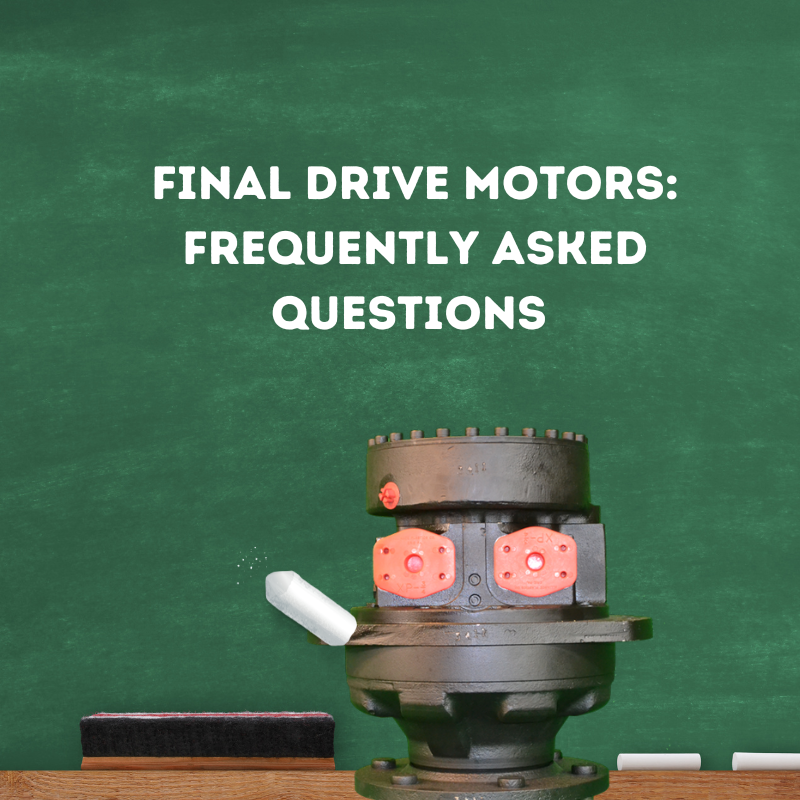
Final Drive Motors: Frequently Asked Questions

Final drive motors are essential components in heavy machinery. They turn hydraulic energy into mechanical motion to propel equipment. Understanding their function, maintenance, and common issues is crucial for optimal performance and longevity. Here are some frequently asked questions about final drive motors.


Here are some other Shop Talk Blog posts you might be interested in:


What is a final drive motor?

A final drive motor is a hydraulic motor that converts hydraulic pressure into mechanical torque. It drives the tracks or wheels of both heavy and compact equipment like excavators, compact track loaders, and skid steer loaders. A final drive motor combines a hydraulic motor with a gear reduction system to provide the necessary force for movement.

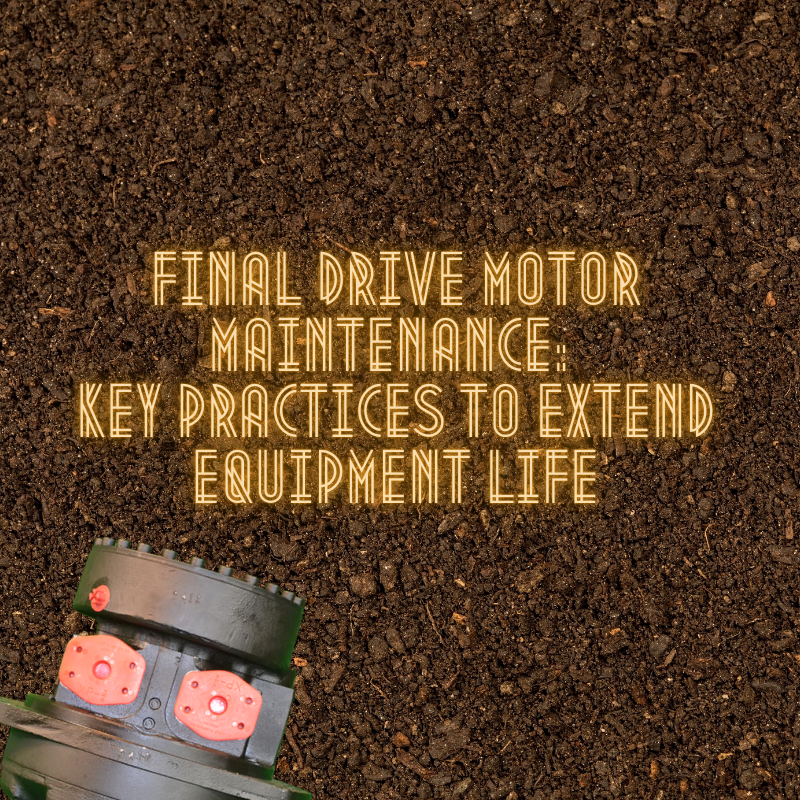
Final Drive Motor Maintenance: Key Practices to Extend Equipment Life

As an owner or operator of compact and heavy equipment, you play a crucial role in maintaining your final drive motor. Your efforts in this area improve your equipment's performance and help avoid costly repairs and downtime. 

We know how essential maintenance is to your equipment's performance and value, so here’s a guide to final drive motor maintenance. This Shop Talk Blog post focuses on industry best practices to keep your motors in top shape.


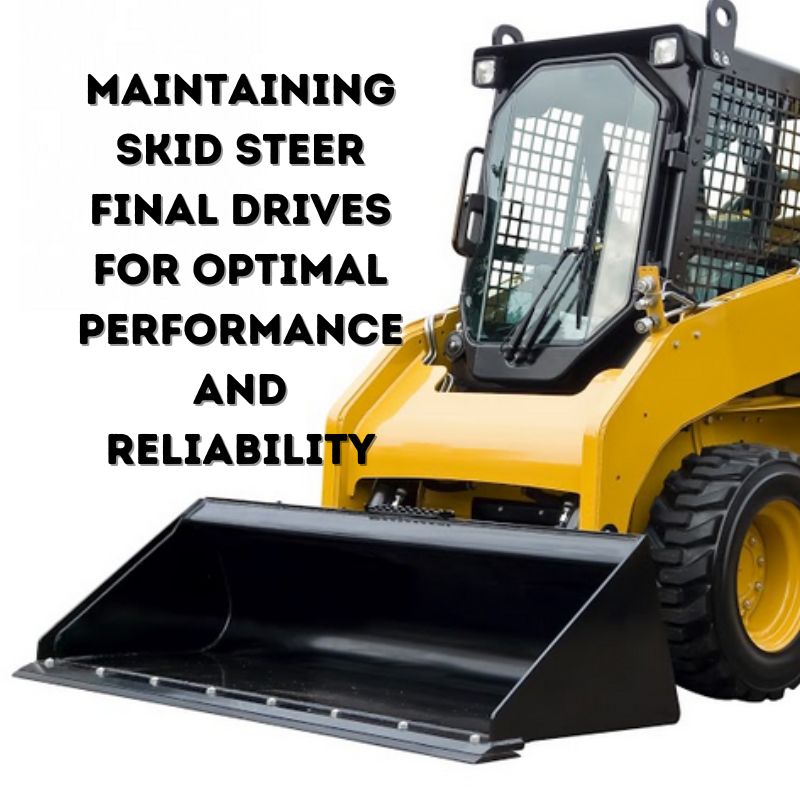
Maintaining Skid Steer Final Drives for Optimal Performance and Reliability

by Jim Strong | Feb 29, 2024 |

Final Drive Maintenance, Gear oil, Leaks, Duo-cone Seal

|
0 Comments

We know that it’s vital to keep your skid steers rolling year-round and that the key to their reliability and performance lies in maintenance.

In this Shop Talk blog post, we’ll discuss the key maintenance tasks for skid steer final drivesthat will increase their uptime, reduce repair costs, and extend their lifespan.


Here are some additional blog posts you might be interested in:

The Final Drive Repair Shop House of Mechanical Horrors

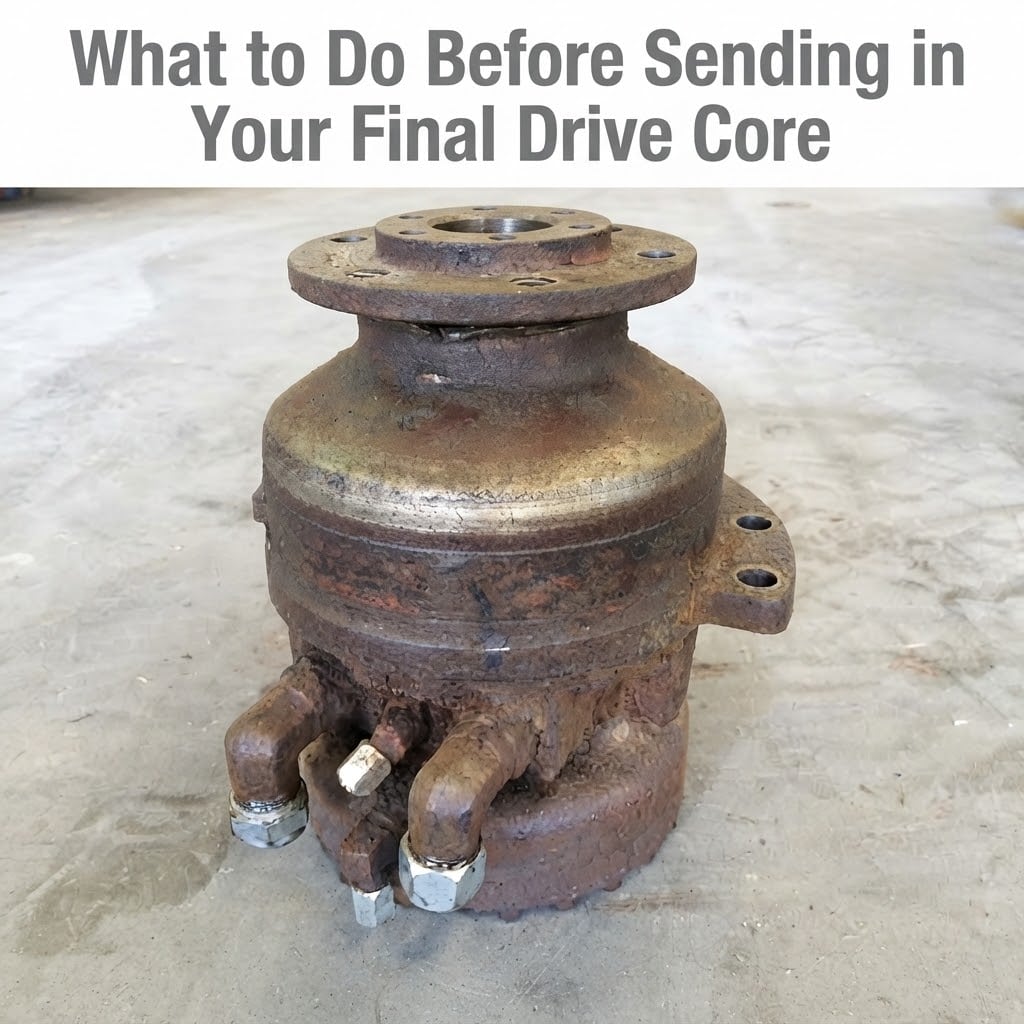
Here are some final drive motor horrors from our own shop -- with some explanations of what caused them and how you can prevent them.


And while you're here, check out these terrifying Shop Talk Blog posts from the past ...

Fuel Costs and Compact Equipment Maintenance

by Dr McCaslin | Mar 29, 2022 |

Final Drive Maintenance, Maintenance, Efficiency

|
0 Comments

Diesel prices have been rising, and while they may seem to be going down a bit, it’s doubtful they’ll drop back down to what they were a year ago. As a result, these prices are impacting your bottom line. And while you don’t control the cost of fuel, you can make some changes that will improve the efficiency of your equipment.

Preventive Maintenance and Compact Equipment

What kind of maintenance practices do you follow for your compact equipment? We recommend preventive maintenance, especially when it comes to your final drive motors.


Here are a few other Shop Talk blog posts you might enjoy ...

"Shop Talk Blog" Email Updates

Connect blog-rss-feed 

Posts by Topic

see all