
Shop Talk Blog

The Official Blog for Texas Final Drive

Jim Strong

Jim represents the team of professionals behind Texas Final Drive.
Find me on:

Recent Posts

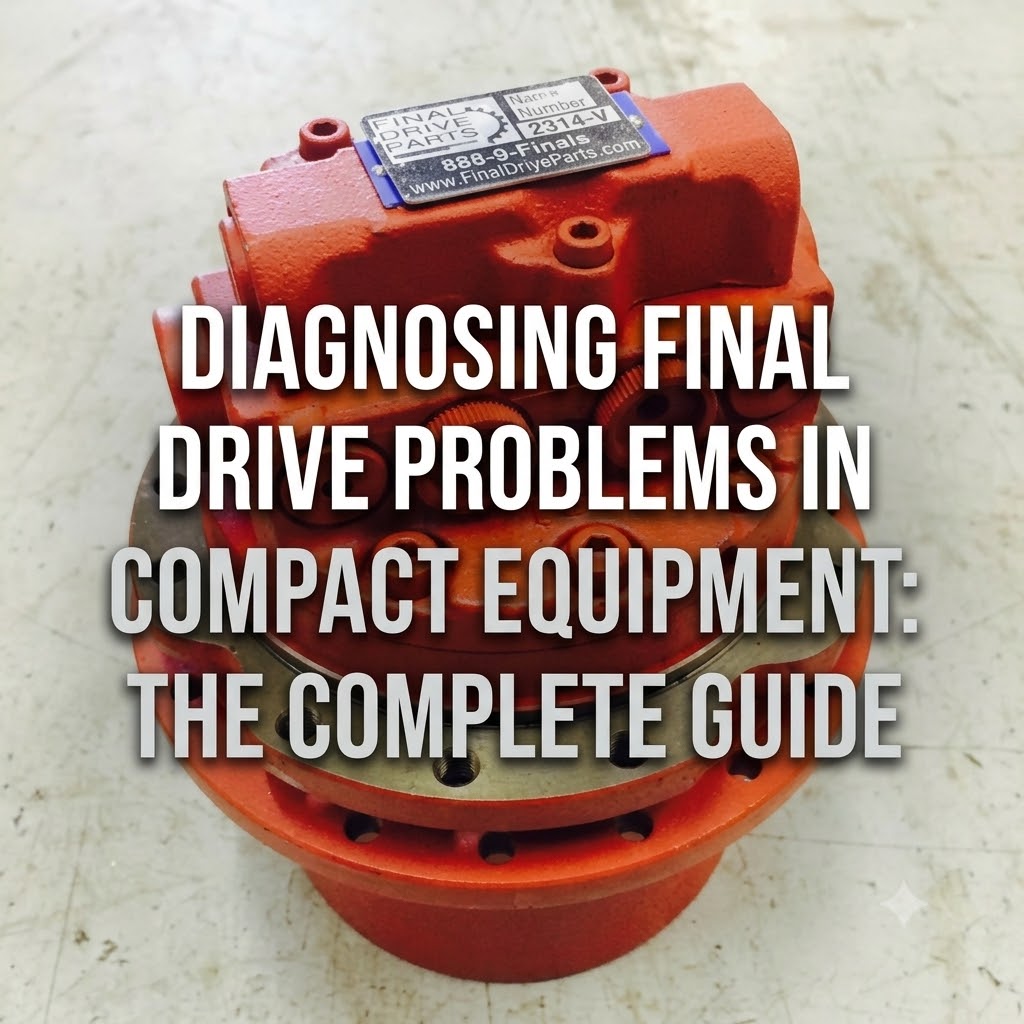
Diagnosing Final Drive Problems in Compact Equipment: The Complete Guide

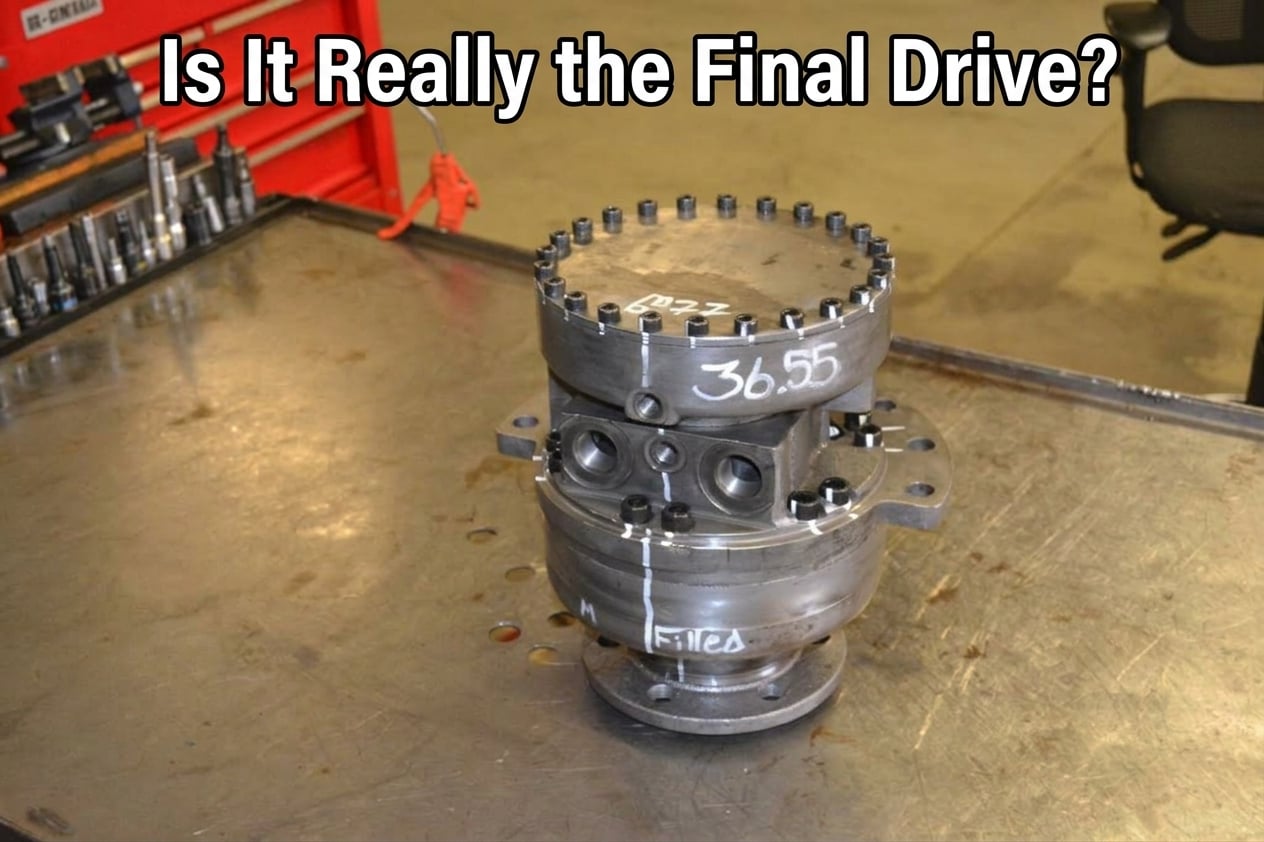
When a final drive starts acting up, the instinct is to jump straight to "I need a new one." Sometimes that's true. Often it isn't. A weak charge pump, a clogged case drain filter, tracks set too tight, or a machine stuck in high-speed mode can all mimic final drive failure perfectly. And if you replace the drive without finding the real cause, you'll be back in the same spot in a few hundred hours, except now you're out the cost of a motor too.

This guide pulls together everything we've learned diagnosing final drives at Texas Final Drive. From the questions to ask before you even open a toolbox, to symptom-by-symptom troubleshooting, to the tests our techs actually run in the shop, you can find information here. Whether you're running a single skid steer or managing a fleet, the goal is the same: figure out what's really wrong before you spend a dollar fixing it.

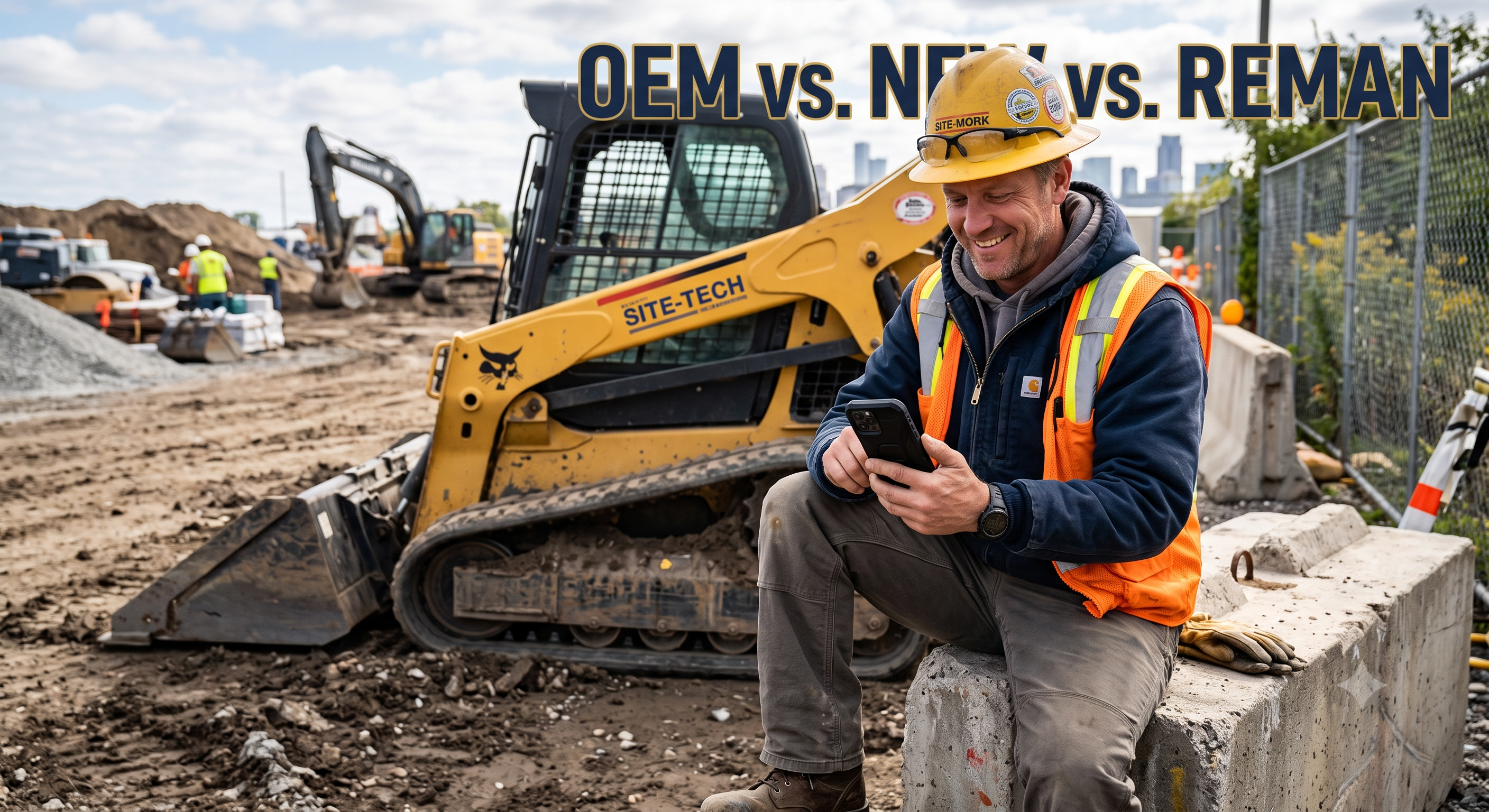
OEM vs. New vs. Reman: What's the Real Difference in a Bobcat Final Drive Motor?

Your Bobcat is down, one final drive is toast, and now you've got three quotes in front of you: OEM from the dealer, a new motor from a parts supplier, and a remanufactured one for a lot less. They can't all be the same, so what are you actually paying for?

Every one of those three options can get your machine back to work. But they're not interchangeable when it comes to lead time, cost, and what's actually backing you up if something goes wrong. Here's what's really different, and how to pick the right one without overpaying or getting burned.


Here are a few other Shop Talk Blog posts you might find of interest:


What "OEM" Actually Means (and What It Costs You)

OEM means the part came from Bobcat's own supply chain, carrying the Bobcat part number and built to the exact factory spec for your machine. There's no guessing on fitment, and for a machine still under factory warranty, it's often the only option that keeps that warranty intact.

Here's the catch: final drive motors aren't a part your dealer keeps ten of on a shelf. They're a special-order item on most models, and you can be looking at days to weeks of downtime waiting on a backorder. You're also paying full dealer markup, which is typically the highest of the three options by a wide margin.

OEM makes the most sense when:

  • The machine is still under Bobcat's factory warranty and you need to preserve it
  • You're required to use OEM parts for a fleet compliance or resale reason
  • Lead time isn't your biggest constraint

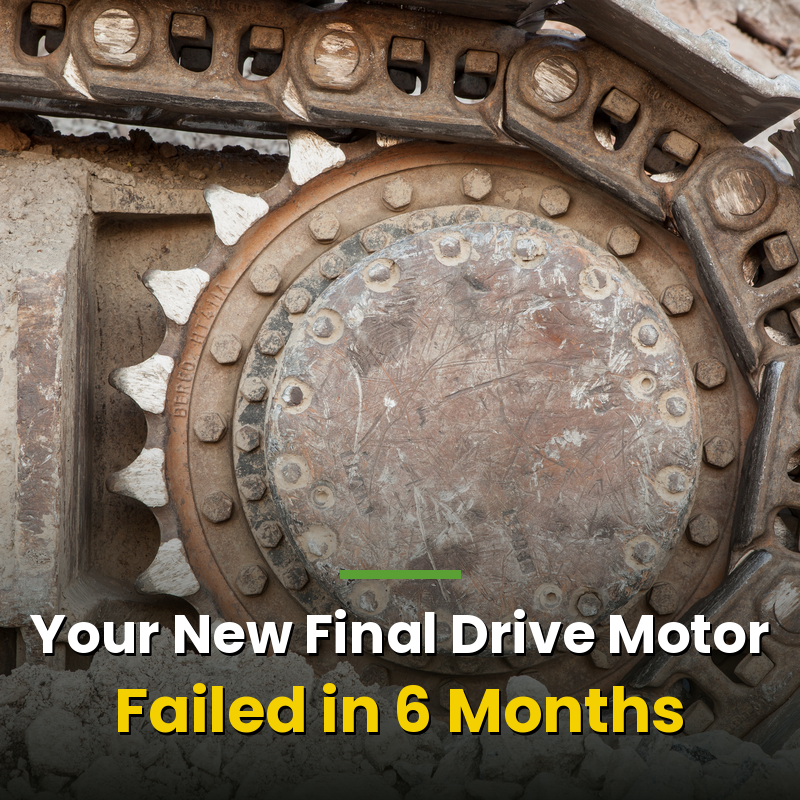
Your New Final Drive Motor Failed in 6 Months - Here's Why It Probably Wasn't the Drive

Somebody's mad, and they have a right to be: just six months, maybe 400 hours, and their new final drive motor is acting up again. Did they buy junk?

Here at Texas Final Drive, we regularly open up final drive motors and the story of the failure is almost always written inside the motor. It’s not usually a manufacturing defect or a bad reman job. It’s often debris from the first failure that’s still living in the machine and ready to chew through a perfectly good replacement.

There’s a good chance that the drive isn’t the root cause. The system may have failed and got a fresh drive to devour.

What a Failed Final Drive Motor Leaves Behind

When a final drive motor fails, it never fails politely. We regularly see bearing races spall, pistons scuff, and the rotary group grind itself down. And all that metal goes somewhere. Fine particles may ride the case drain line straight back into the tank. Bigger particles hang out in the hoses, the cooler, the valve block, and the low spots in the hydraulic reservoir.


Here are a few other Shop Talk Blog posts you might find interesting:

Why Texas Summers Are Brutal on Your Final Drive (And How to Keep It Running)

If you've ever popped the hood on a 100°F+ afternoon and felt heat radiating off your machine before you even touched it, you already know what we're about to explain. That same kind of heat can affect your final drive motors, too. According to Brendan Casey in Machinery Lubrication, overheating ranks second on the list of the most common problems with hydraulic equipment.

We’re going to talk about what's happening inside your final drive motor when it's this hot, and what you can do about it.


Here are a few other Shop Talk Blog posts you might find interesting:


What Does Heat Do to a Final Drive Motor?

Here's the simple version of what's happening “under the hood”:hydraulic fluid is supposed to be thick enough to keep a protective film between all those moving metal parts inside your final drive (e.g., gears, bearings, the works). Think of it like the difference between spreading cold honey and warm honey. Cold honey holds its shape and coats things nicely. Warm honey runs thin and slides right off. Yourhydraulic fluid and gear oil do the same thing when the Texas heat gets into them: they thin out, and that protective film gets thinner right along with them.

Hidden Ways Your Mini Excavator Final Drives Cost You Money (and How to Stop It)

You’re wrapping up a long day when you notice something small, like sluggish travel speed, uneven tracks, or a dark spot under your machine. It’s easy to ignore, right? And doesn’t seem to be a big deal. It can wait a few days. But far too often, a few days turn into weeks and months, and minor issues turn into significant problems fast. And keep this in mind: Every minute of downtime, every drop of leaking fluid, and every bit of neglect quietly eats into your bottom line.

In this Shop Talk Blog post, we’re going to look at five ways your mini excavator might be draining your wallet and what you can do about it.


Here are a few Shop Talk Blog posts you might find interesting:


Ignoring Track Tension

If you don’t keep the tracks on your compact excavator at the proper tension, there’s going to be some problems. If you keep them too tight, you’re going to see excessive wear on critical components like the sprockets and rollers -- and your final drive motors. On the other hand, if the tracks aren’t kept tight enough, the tracks are more likely to slip and risk derailing in the middle of a job. 

Why You Should Never Ignore Final Drive Leaks

by Jim Strong | Oct 26, 2025 |

Leaks

|
0 Comments


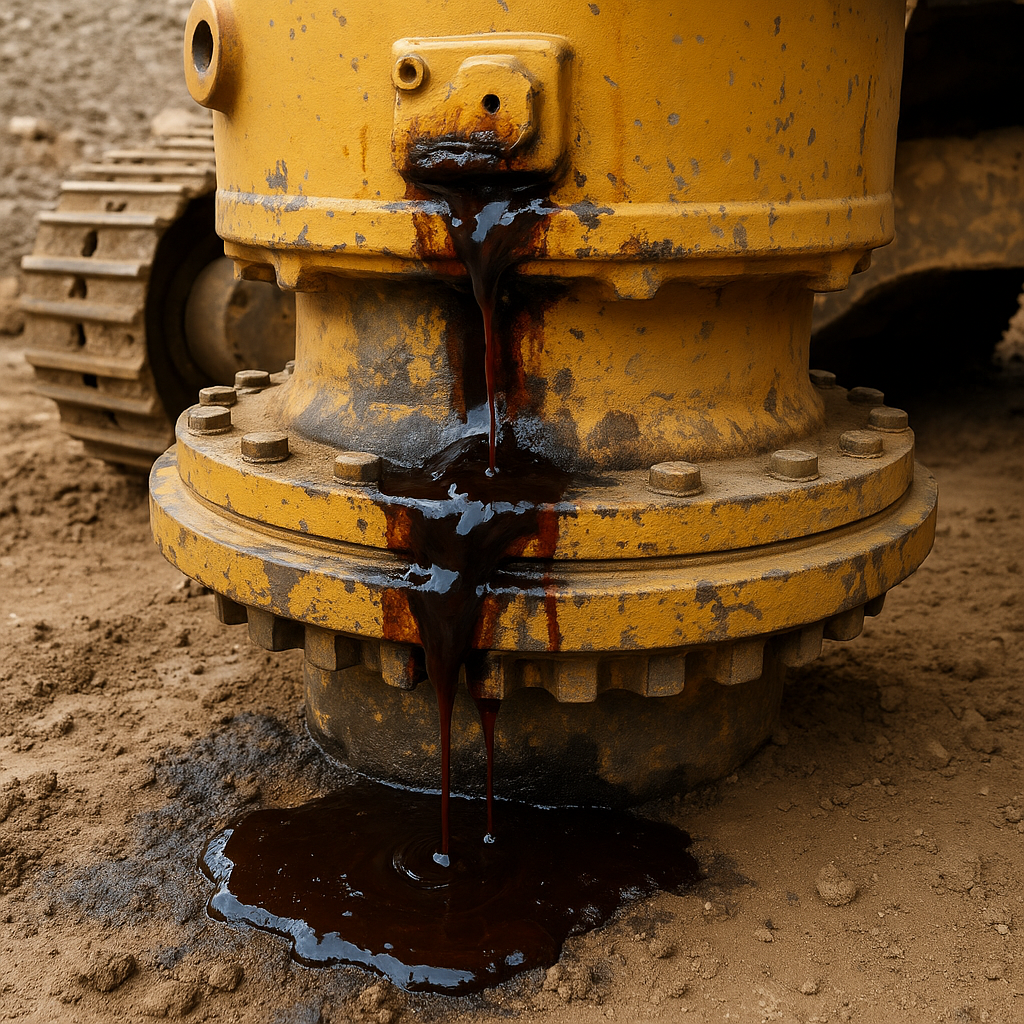
It starts with noticing a small oil spot under your skid steer. You think, “I can deal with that later,” and before you know it, a week has turned into a month, and then, mid-job, your final drive motor seizes. Even the biggest leaks start small and always lead to expensive repairs or replacements.

Final drive leaks, whether it's your gear oil or hydraulic fluid, affect more than just fluid levels. If they aren’t addressed, they will lead to wasted money, lost productivity, and even totaled drive motors. 

In this Shop Talk Blog post, let’s break down why ignoring a final drive leak drains your wallet as well.


Here's a few Shop Talk Blog posts you might be interested in:

Self-Repair vs. Professional Service: What’s Best for Your Rental Fleet’s Final Drives?

by Jim Strong | Sep 19, 2025 |

Troubleshooting, Final Drive Repair

|
0 Comments

Running a rental business means keeping your machines in good shape and ready to go. When a skid steer or mini excavator breaks down, it's not just inconvenient. It costs you money, frustrates your customers, and can hurt your reputation. At that moment, you may be asking yourself: should we repair the final drive motor ourselves or call in a professional?


Here are a few additional blog posts that you might find of interest:


Why Many Owners Choose Self-Repair

For many rental companies, the first thought is to handle repairs in-house. You may already have mechanics on staff. Tutorials and repair videos are easy to find online. Doing the work yourself feels like a quick way to save money and get a machine back to work.

There are some jobs your team absolutely can and should do. Changing gear oil, checking seals, cleaning case drain filters, and watching for leaks all fall into that category. These routine tasks prevent bigger problems later. For small fixes like that, handling repairs in-house makes sense.

Texas Final Drive: Reliability, Value, and Support You Can Count On

by Jim Strong | Aug 12, 2025 |

Final Drive

|
0 Comments

When you run an equipment rental company, breakdowns aren’t just inconvenient -- they’re expensive, too. Every hour a machine sits idle is lost revenue, and every disappointed customer can be a serious hit to your reputation. If your skid steer or mini excavator is down because of a failed final drive, that clock starts ticking fast.

Strange Noises Your Final Drive Should Never Make

If your compact track loader or skid steer has started making unusual noises, don’t ignore it. Strange sounds are one of the first signs that something may be going wrong inside your final drive motor. And if you catch the problem early, you might be able to avoid costly repairs—or worse, a complete failure that brings your jobsite to a halt.

What Causes a Final Drive to Wear Out Prematurely

by Jim Strong | Jul 06, 2025 |

Final Drive Failure

|
0 Comments

You’re halfway through a job, the sun’s beating down, and suddenly your machine grinds to a halt. The final drive gave out again. This not only disrupts your work but also leads to costly repairs and potential project delays. It is frustrating, expensive, and all too common.

Final drives are supposed to last. When they don’t, it is not just bad luck. More often than not, there is a reason behind the failure. And if you do not know what caused it, you are likely to face the same problem again. 

In this Shop Talk Blog post, we will look at the most common reasons final drives wear out sooner than they should and what you can do to prevent it from happening on your next job.


Here are a few other Shop Talk blog posts you might find helpful:

"Shop Talk Blog" Email Updates

Connect blog-rss-feed 

Posts by Topic

see all