
Shop Talk Blog

The Official Blog for Texas Final Drive

Final Drive Failure Guide: When to Repair or Replace

Experts recommend you repair when your damage is localized to components like seals, bearings, or minor internal components, if the housing/case is undamaged and downtime permits a teardown.

Replacement makes sense when a catastrophic planetary gear failure occurs, the outer case or main shaft is destroyed, metal contamination has flooded the hydraulic system, or minimizing machine downtime is the top priority.

In this Shop Talk Blog post, let’s talk about why this approach is recommended.

Key Takeaways: Final Drive Failure Guide

Quick diagnostic decision framework for deciding whether to repair or replace your final drive motor based on Texas Final Drive technical guidelines.

  1. 1. Perform a 4-Step Diagnostic Check Before Deciding

    Before jumping to replacement, evaluate the drive using four critical factors: extent of physical damage, estimated downtime, total repair costs, and remaining machine lifecycle.

  2. 2. Minor Issues Are Candidates for Repair

    If damage is isolated—such as worn face seals, minor bearing wear, or simple hydraulic leaks—repairing or rebuilding the motor is usually the most cost-effective option.

  3. 3. Catastrophic Internal Damage Warrants Full Replacement

    When severe damage occurs—like shattered planetary gear sets, cracked main housings, or total piston metal-on-metal lockups—replacement is safer, faster, and cheaper than replacing individual internal components.

  4. 4. Factor in the Cost of Downtime, Not Just Parts

    A new or remanufactured final drive motor ships immediately, eliminating expensive jobsite downtime compared to waiting days or weeks for shop tear-downs and specialized parts.

When a final drive motor fails, the work it was doing literally comes to a stop. That downtime is expensive in more ways than one: there’s the lost productivity, repair costs, the potential for missed deadlines, and even the possibility of losing customers. That means one approach to determining if you should repair or replace a final drive is how much downtime you can absorb.

If you have plenty of time and the damage isn’t severe, you can repair your final drive motor. However, if time isn’t on your side or the damage is extensive, then you should probably be looking at a replacement final drive motor. And remember, there are some types of damage that just can’t be repaired. We usually refer to that kind of issue as a catastrophic failure.
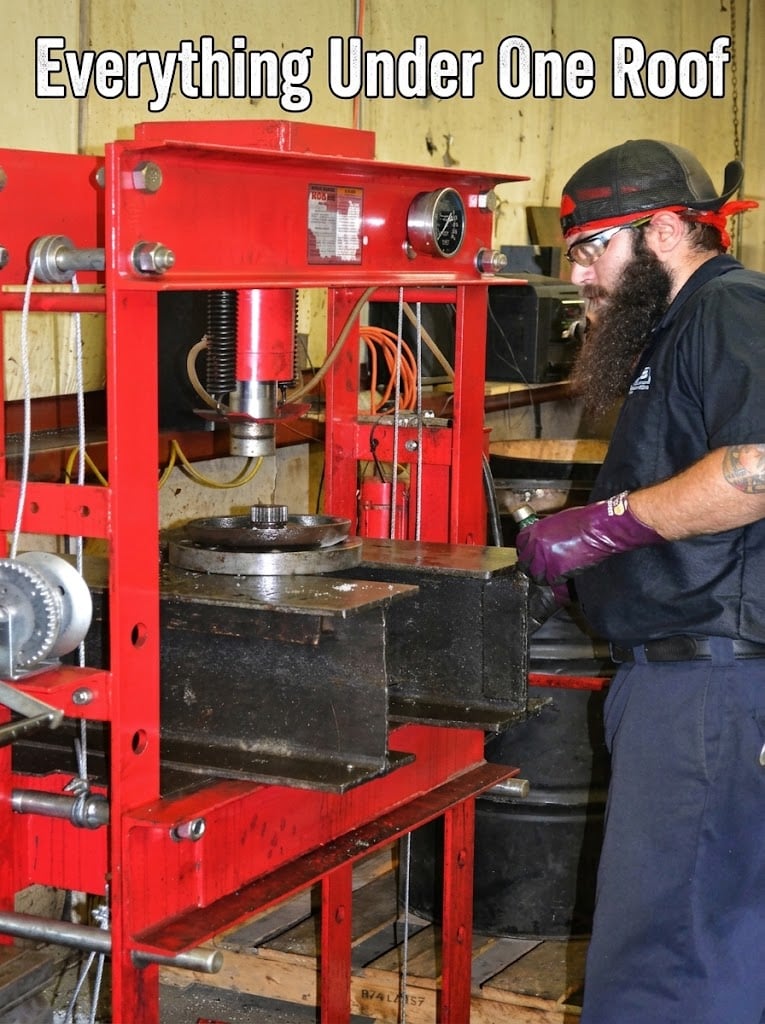
Everything Under One Roof: Why We Do All Our Reman and Repair Work In-House

by Jim Strong | Aug 24, 2026 |

Reman Final Drives, Final Drive Repair

|
0 Comments

If you've ever sent a final drive out for repair, you've probably lived through this at one point or another without realizing it: your unit gets diagnosed at one shop, shipped somewhere else for machining, sent to a third location for testing, and then routed back for final assembly before it ever heads your way. Every one of those handoffs adds days. Sometimes weeks. And every handoff is a place where accountability gets a little blurrier. Let’s face it: if something's off with the final product, good luck figuring out which stop in that chain is responsible.


Here are a few other blog posts you might find of interest:

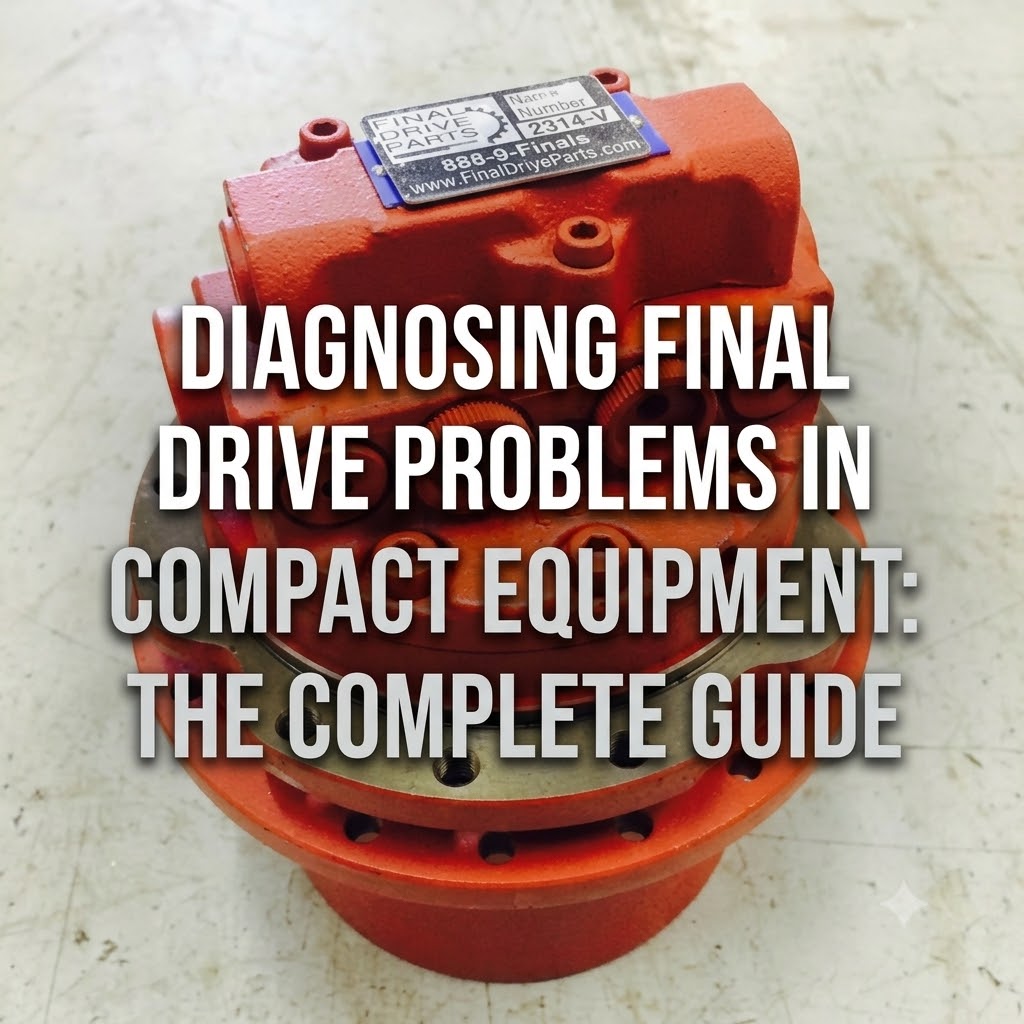
Diagnosing Final Drive Problems in Compact Equipment: The Complete Guide

When a final drive starts acting up, the instinct is to jump straight to "I need a new one." Sometimes that's true. Often it isn't. A weak charge pump, a clogged case drain filter, tracks set too tight, or a machine stuck in high-speed mode can all mimic final drive failure perfectly. And if you replace the drive without finding the real cause, you'll be back in the same spot in a few hundred hours, except now you're out the cost of a motor too.

This guide pulls together everything we've learned diagnosing final drives at Texas Final Drive. From the questions to ask before you even open a toolbox, to symptom-by-symptom troubleshooting, to the tests our techs actually run in the shop, you can find information here. Whether you're running a single skid steer or managing a fleet, the goal is the same: figure out what's really wrong before you spend a dollar fixing it.

Self-Repair vs. Professional Service: What’s Best for Your Rental Fleet’s Final Drives?

by Jim Strong | Sep 19, 2025 |

Troubleshooting, Final Drive Repair

|
0 Comments

Running a rental business means keeping your machines in good shape and ready to go. When a skid steer or mini excavator breaks down, it's not just inconvenient. It costs you money, frustrates your customers, and can hurt your reputation. At that moment, you may be asking yourself: should we repair the final drive motor ourselves or call in a professional?


Here are a few additional blog posts that you might find of interest:


Why Many Owners Choose Self-Repair

For many rental companies, the first thought is to handle repairs in-house. You may already have mechanics on staff. Tutorials and repair videos are easy to find online. Doing the work yourself feels like a quick way to save money and get a machine back to work.

There are some jobs your team absolutely can and should do. Changing gear oil, checking seals, cleaning case drain filters, and watching for leaks all fall into that category. These routine tasks prevent bigger problems later. For small fixes like that, handling repairs in-house makes sense.

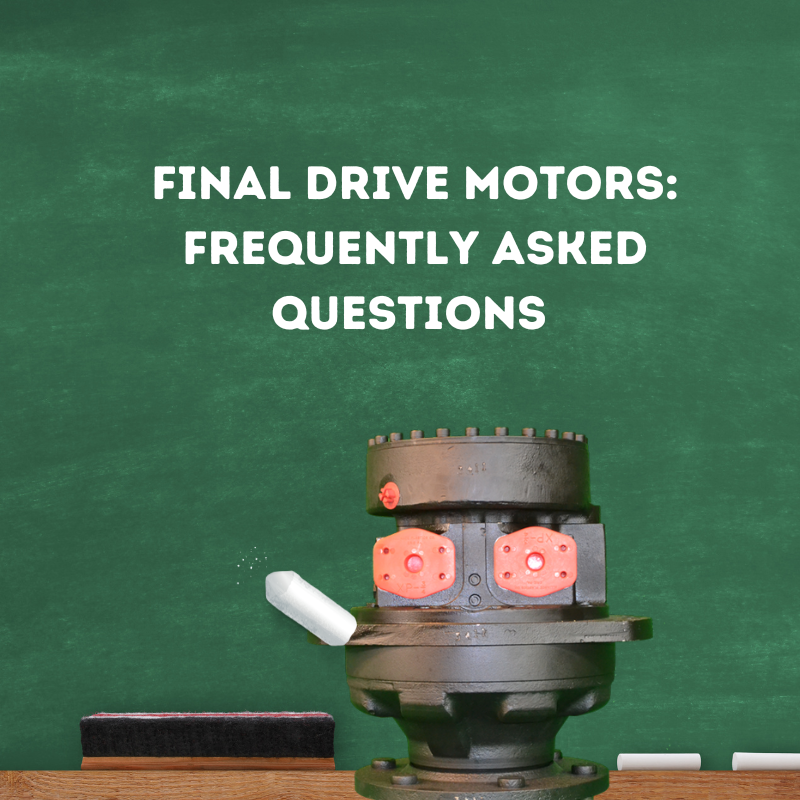
Final Drive Motors: Frequently Asked Questions

Final drive motors are essential components in heavy machinery. They turn hydraulic energy into mechanical motion to propel equipment. Understanding their function, maintenance, and common issues is crucial for optimal performance and longevity. Here are some frequently asked questions about final drive motors.


Here are some other Shop Talk Blog posts you might be interested in:


What is a final drive motor?

A final drive motor is a hydraulic motor that converts hydraulic pressure into mechanical torque. It drives the tracks or wheels of both heavy and compact equipment like excavators, compact track loaders, and skid steer loaders. A final drive motor combines a hydraulic motor with a gear reduction system to provide the necessary force for movement.

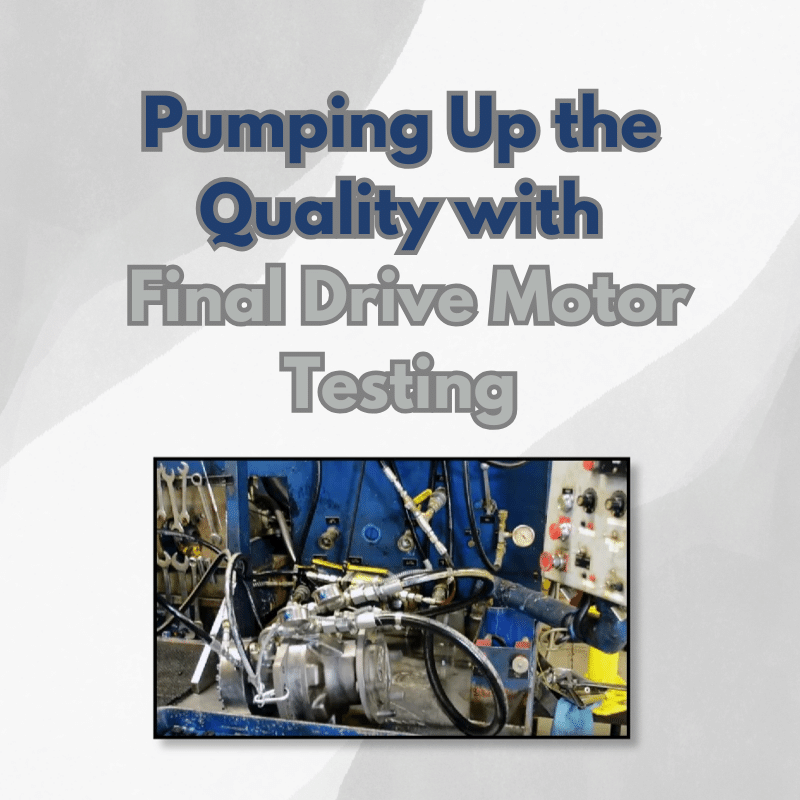
Pumping Up the Quality with Final Drive Motor Testing

by Jim Strong | Sep 01, 2023 |

Reman Final Drives, Final Drive Repair, Quality

|
2 Comments

Are you excited about top-notch quality assurance? So are we! Dive in with us as we highlight the journey of how we make sure the final drives and hydraulic motors we repair and re-manufacture pass with flying colors!

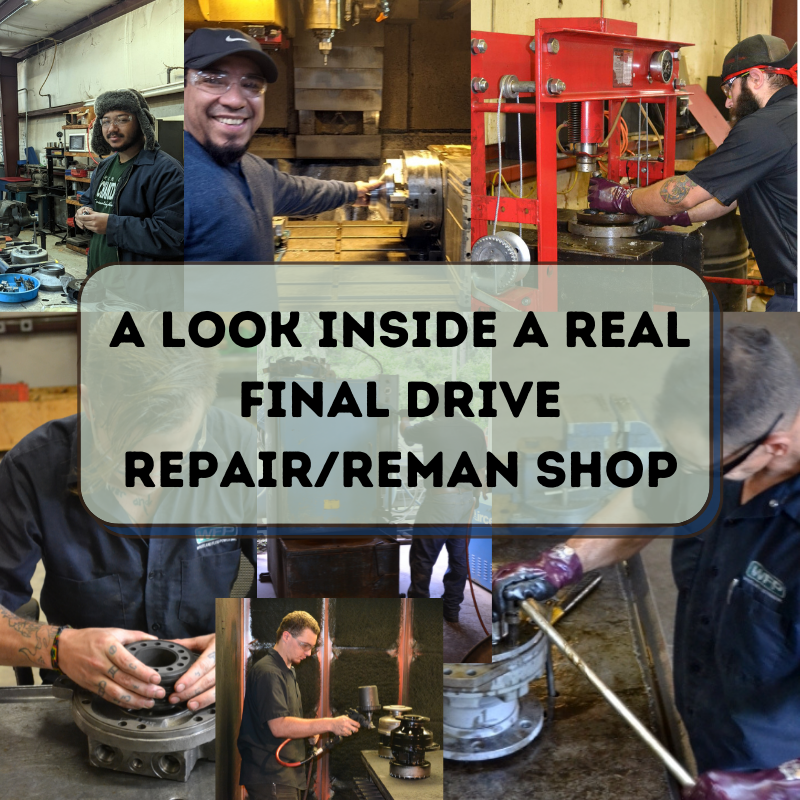
A Look Inside a Real Final Drive Repair/Reman Shop

Have you ever wondered what the inside of a real hydraulic repair shop looks like?

Root Cause Analysis for Final Drives

by Dr McCaslin | Sep 24, 2021 |

Troubleshooting, Final Drive Repair

|
0 Comments

Good final drive repairs not only fix what went wrong, but they track down why it went wrong in the first place. Is the company that you entrust your final drive to this careful?


Here are a few other Shop Talk Blog Posts you might enjoy.

5 Signs of a Good Place to Send Your Final Drive

by Dr McCaslin | Jul 13, 2020 |

Final Drive Problem, Final Drive Repair

|
0 Comments

You've got a good deal of money invested in your equipment, including your final drive motors. When something goes wrong, you need a reputable shop to perform the diagnosis and repairs, so here are five signs to look for.


Here are a few other blog posts you might find interesting ...

"Shop Talk Blog" Email Updates

Connect blog-rss-feed 

Posts by Topic

see all