Shop Talk Blog

The Official Blog for Texas Final Drive

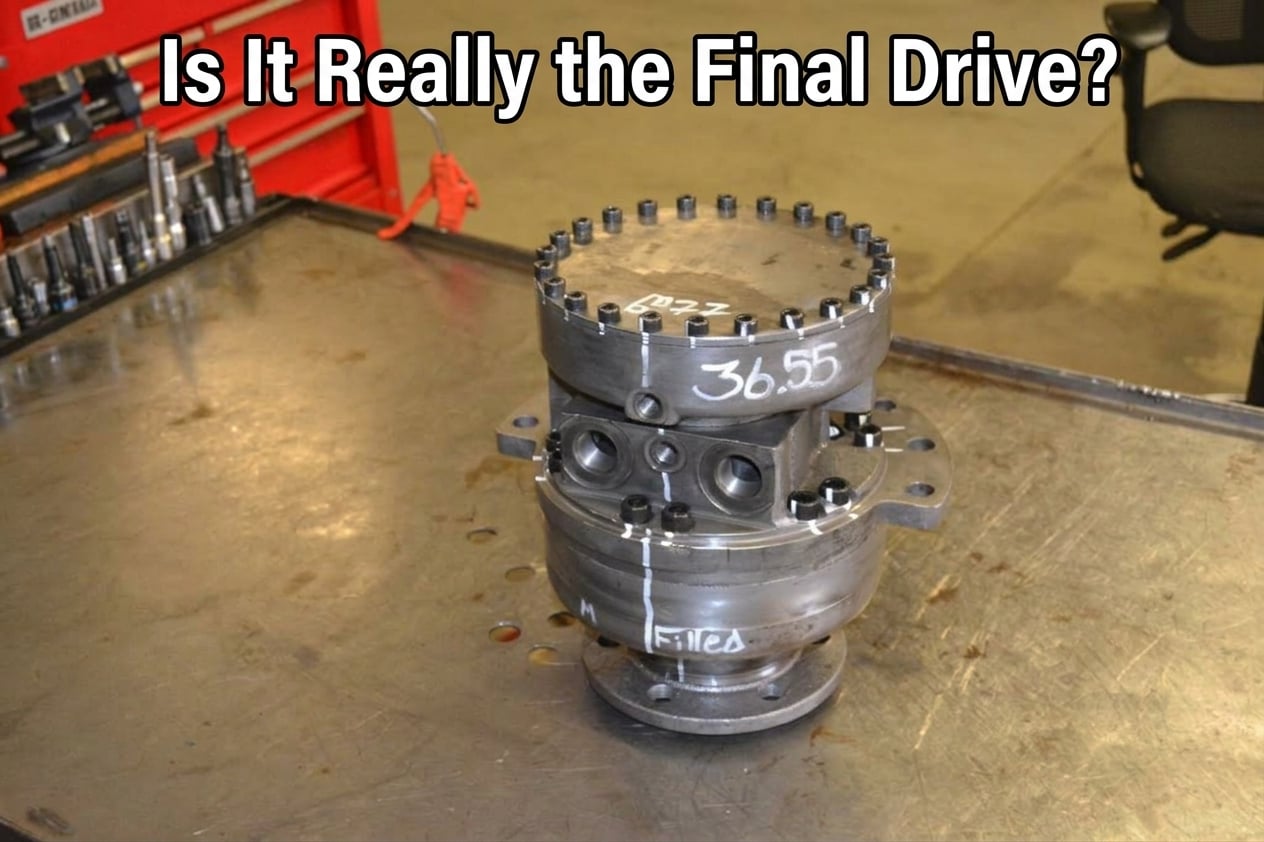
Is It Really the Final Drive? Rule Out These Problems Before You Replace

A compact track loader comes back from rental pulling hard to the left. The final drive looks like the obvious cause, and swapping it seems like the fastest way to get the unit back on rent.

Sometimes that's the right call. But a new or reman final drive won't fix a weak charge pump, a clogged case drain line, a dragging parking brake, or a stuck two-speed valve. If the real cause is somewhere else, you've spent the money, the machine is still down, and the new drive may be damaged by the same problem.


Here's how rental fleet technicians can narrow down the cause before ordering parts. For a deeper look at symptoms, see our final drive diagnosis guide.

⚙️ Key Takeaways

  • Diagnose before replacing
  • Start by determining whether one side or both sides are affected
  • Check case drain restrictions, gear oil condition, brake release, two-speed operation, and case drain flow before condemning the drive.
  • Finding and correcting the root cause helps rental fleets avoid unnecessary parts costs, repeat downtime, and damage to replacement drives.

Final Drive Failure Guide: When to Repair or Replace

Experts recommend you repair when your damage is localized to components like seals, bearings, or minor internal components, if the housing/case is undamaged and downtime permits a teardown.

Replacement makes sense when a catastrophic planetary gear failure occurs, the outer case or main shaft is destroyed, metal contamination has flooded the hydraulic system, or minimizing machine downtime is the top priority.

In this Shop Talk Blog post, let’s talk about why this approach is recommended.

Key Takeaways: Final Drive Failure Guide

Quick diagnostic decision framework for deciding whether to repair or replace your final drive motor based on Texas Final Drive technical guidelines.

  1. 1. Perform a 4-Step Diagnostic Check Before Deciding

    Before jumping to replacement, evaluate the drive using four critical factors: extent of physical damage, estimated downtime, total repair costs, and remaining machine lifecycle.

  2. 2. Minor Issues Are Candidates for Repair

    If damage is isolated—such as worn face seals, minor bearing wear, or simple hydraulic leaks—repairing or rebuilding the motor is usually the most cost-effective option.

  3. 3. Catastrophic Internal Damage Warrants Full Replacement

    When severe damage occurs—like shattered planetary gear sets, cracked main housings, or total piston metal-on-metal lockups—replacement is safer, faster, and cheaper than replacing individual internal components.

  4. 4. Factor in the Cost of Downtime, Not Just Parts

    A new or remanufactured final drive motor ships immediately, eliminating expensive jobsite downtime compared to waiting days or weeks for shop tear-downs and specialized parts.

When a final drive motor fails, the work it was doing literally comes to a stop. That downtime is expensive in more ways than one: there’s the lost productivity, repair costs, the potential for missed deadlines, and even the possibility of losing customers. That means one approach to determining if you should repair or replace a final drive is how much downtime you can absorb.

If you have plenty of time and the damage isn’t severe, you can repair your final drive motor. However, if time isn’t on your side or the damage is extensive, then you should probably be looking at a replacement final drive motor. And remember, there are some types of damage that just can’t be repaired. We usually refer to that kind of issue as a catastrophic failure.

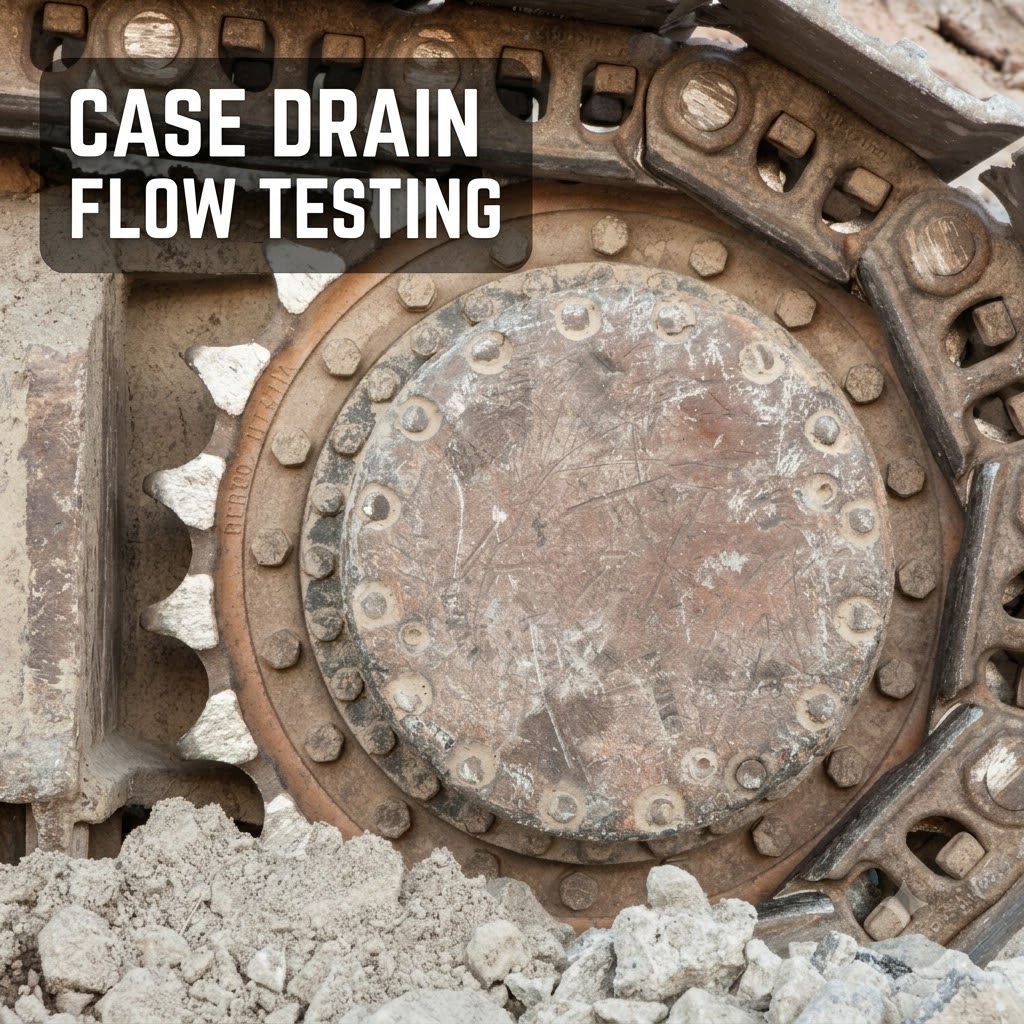
Case Drain Flow Testing: The One Test Most Operators Skip

by Dr McCaslin | Jul 01, 2026 |

Case Drain, Case Drain Flow

|
0 Comments

Most owners and operators don’t realize how important case drain flow is when evaluating and diagnosing a final drive motor. This test can tell you a great deal about what’s going on inside your final drive without having to open it up.

In this blog post, we take a look at case drain flow testing, including how to perform the test and how to interpret the results.

Internal Leakage

Internal leakage is designed to support lubrication and cooling of dynamic components (e.g., bearings, pistons, etc.). Now, this leakage never leaves the system. It will always be returned to the hydraulic reservoir, often via a low-pressure drain line. Internal leakage does not contribute to the work being done by the final drive motor, though.

There is a baseline case for the hydraulic motor drain flow on your machine. However, as wear increases internal clearances and internal seals wear out, the case drain flow increases. This directly reduces the final drive's volumetric efficiency.

Diagnosing a Weak Final Drive Motor

Learn how we diagnose a weak final drive motor.


Here are a few other Shop Talk Blog posts you might be interested in:

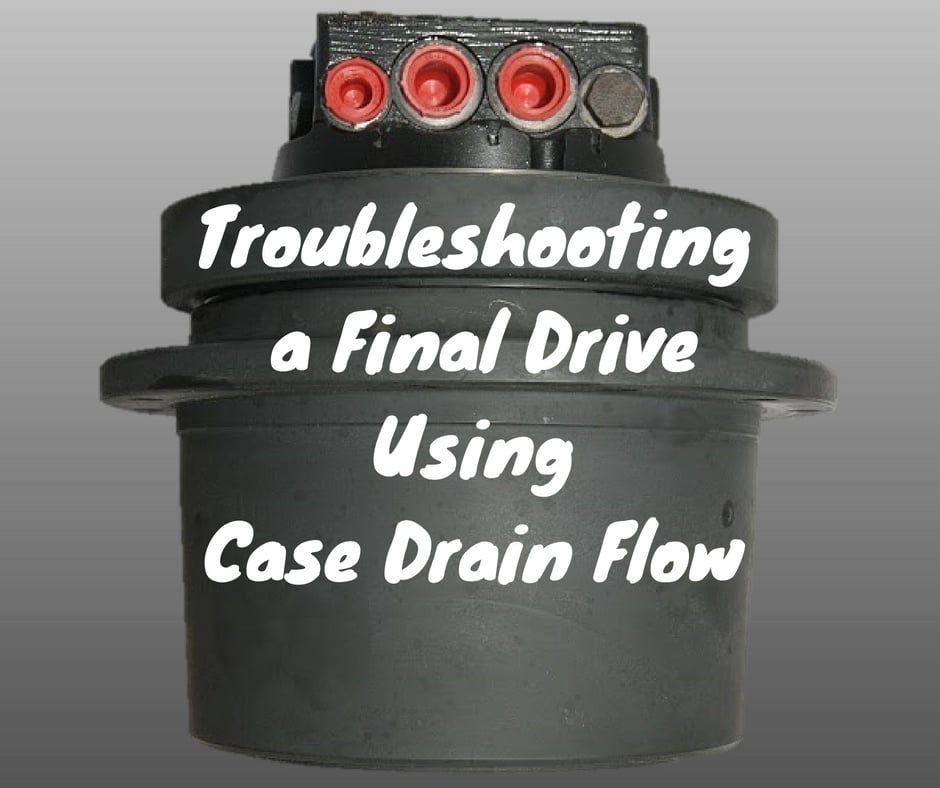
Troubleshooting a Final Drive Using Case Drain Flow

One way to troubleshoot a final drive that seems weak is to take a look at the rate of flow from the case drain line. In this Shop Talk Blog post, we are going to review the purpose of a case drain line, look at what case drain flow can tell us about a final drive, and then discuss how to estimate the case drain flow. We'll finish up by looking at how to evaluate the case drain flow to determine if the problem is your final drive.

"Shop Talk Blog" Email Updates

Connect blog-rss-feed 

Posts by Topic

see all