Shop Talk Blog

The Official Blog for Texas Final Drive

Why Texas Summers Are Brutal on Your Final Drive (And How to Keep It Running)

If you've ever popped the hood on a 100°F+ afternoon and felt heat radiating off your machine before you even touched it, you already know what we're about to explain. That same kind of heat can affect your final drive motors, too. According to Brendan Casey in Machinery Lubrication, overheating ranks second on the list of the most common problems with hydraulic equipment.

We’re going to talk about what's happening inside your final drive motor when it's this hot, and what you can do about it.


Here are a few other Shop Talk Blog posts you might find interesting:


What Does Heat Do to a Final Drive Motor?

Here's the simple version of what's happening “under the hood”:hydraulic fluid is supposed to be thick enough to keep a protective film between all those moving metal parts inside your final drive (e.g., gears, bearings, the works). Think of it like the difference between spreading cold honey and warm honey. Cold honey holds its shape and coats things nicely. Warm honey runs thin and slides right off. Yourhydraulic fluid and gear oil do the same thing when the Texas heat gets into them: they thin out, and that protective film gets thinner right along with them.

Final Drive Challenges: Pain Points for Compact Equipment Rental Businesses

Compact equipment rental companies face unique challenges when it comes to the final drive motors for their fleets because their equipment is often subjected to very heavy use by a number of different operators. This Shop Talk Blog post addresses the pain points and how to mitigate them.


Here are some additional Shop Talk Blog Posts you might find helpful:


Frequent Repairs and Unexpected Downtime

Because rental equipment is typically used intensively (and often improperly) by operators, it wears out more quickly and experiences breakdowns. Unexpected downtime for repairs and replacements is one of the main reasons why routine inspections and maintenance should be performed before a rental goes out and when one returns. Wear and unexpected downtime are also why rental companies must keep replacement parts on hand.

6 Cost-Saving Ways to Manage Fleet Maintenance

by Dr McCaslin | Feb 21, 2018 |

Maintenance, Fleet Management

|
0 Comments

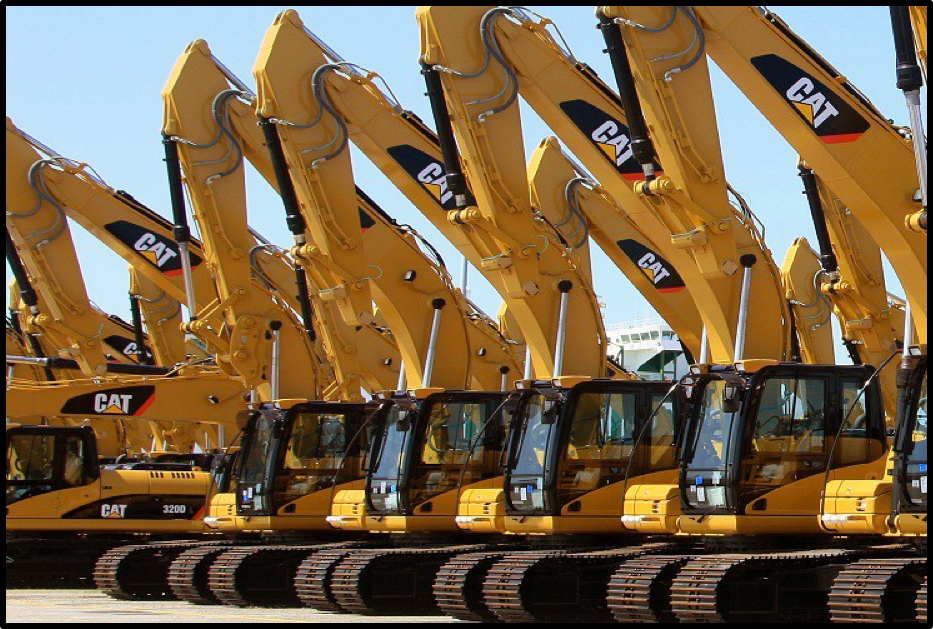
We understand that fleet managers face the challenge of reducing costs as much as possible. Premature repair costs can pack a huge punch, especially when you're in the middle of a job. The point that we always try to hammer home is that maintenance should not be ignored. In this Shop Talk Blog post, we are going to discuss six shop policies that you can put in place to aid in minimizing your maintenance costs.

Maintenance Issues Faced by Rental Yards

The equipment rental industry is growing fast, and many experts attribute this growth to a customer base looking to access late model equipment without tying up their capital -- and without the overhead of maintenance. Maintenance is then the responsibility of the rental company, which poses a unique set of challenges. In this blog post, we are going to focus on some of those challenges and how they are successfully being met.

What Fleet Owners Need to Know About Hydraulic Motor Failure

by Dr McCaslin | Jan 04, 2018 |

Final Drive, Maintenance, Fleet Management

|
0 Comments

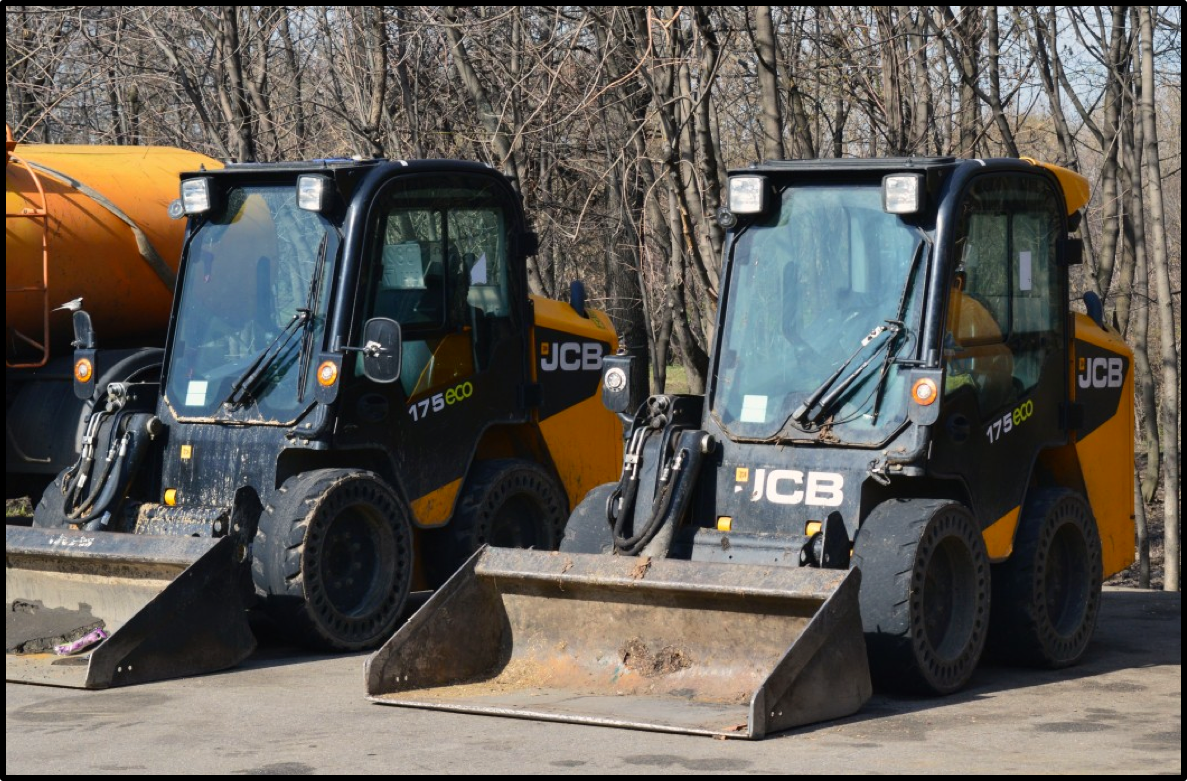
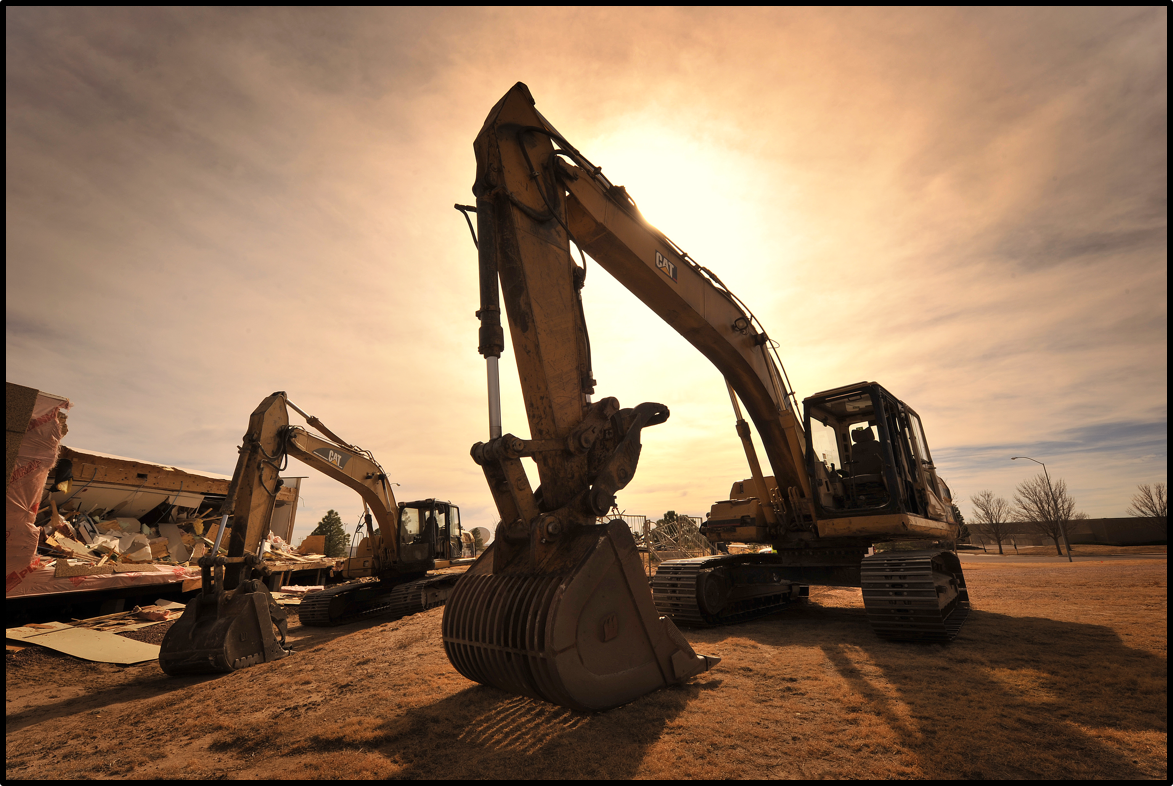
Hydraulic motors keep your fleet running -- whether you've got a full-size excavator with a track drive motor, a compact track loader with a final drive motor, or a skid steer loader with a propel motor. When any hydraulic motor fails, the rest of the machine won’t move. Here are three major things that fleet owners need to know regarding hydraulic motor failure.

"Shop Talk Blog" Email Updates

Connect blog-rss-feed 

Posts by Topic

see all