Shop Talk Blog

The Official Blog for Texas Final Drive

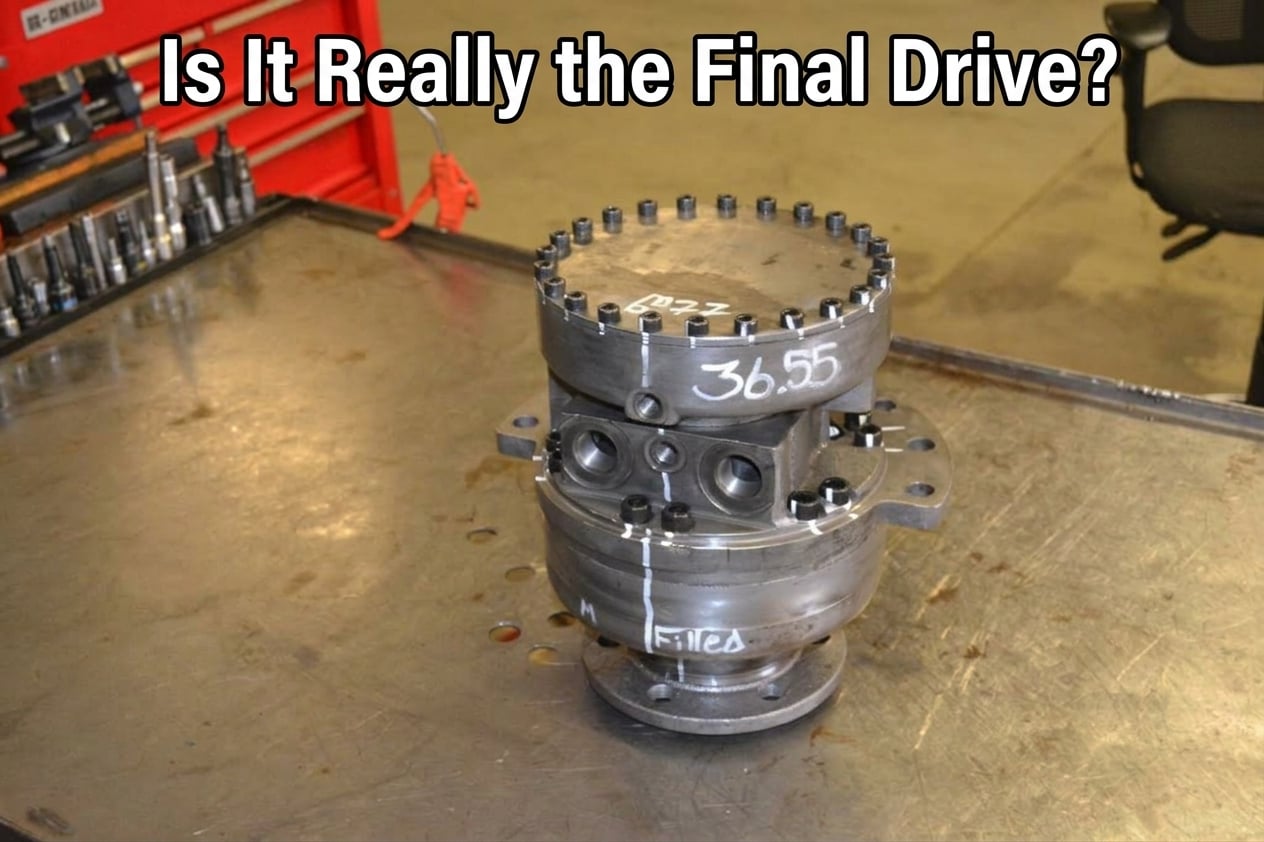
Is It Really the Final Drive? Rule Out These Problems Before You Replace

A compact track loader comes back from rental pulling hard to the left. The final drive looks like the obvious cause, and swapping it seems like the fastest way to get the unit back on rent.

Sometimes that's the right call. But a new or reman final drive won't fix a weak charge pump, a clogged case drain line, a dragging parking brake, or a stuck two-speed valve. If the real cause is somewhere else, you've spent the money, the machine is still down, and the new drive may be damaged by the same problem.


Here's how rental fleet technicians can narrow down the cause before ordering parts. For a deeper look at symptoms, see our final drive diagnosis guide.

⚙️ Key Takeaways

  • Diagnose before replacing
  • Start by determining whether one side or both sides are affected
  • Check case drain restrictions, gear oil condition, brake release, two-speed operation, and case drain flow before condemning the drive.
  • Finding and correcting the root cause helps rental fleets avoid unnecessary parts costs, repeat downtime, and damage to replacement drives.
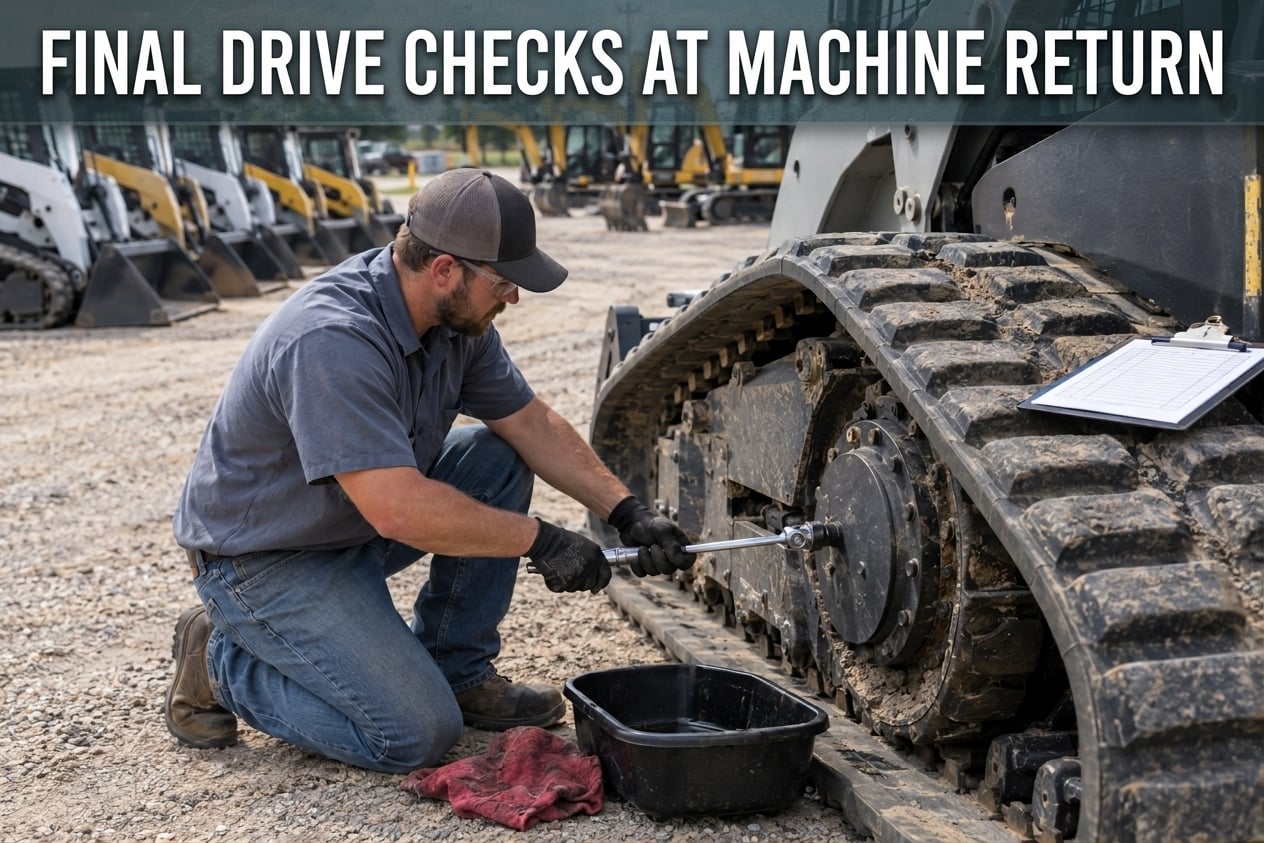
Final Drive Checks at Machine Return: A Rental Fleet Inspection Guide

Every rental return is a chance to catch a final drive problem while it's still small. Once the machine goes back out, you're relying on the next renter, who doesn't know the machine's history, to notice a slow leak or a new noise. Usually they don't, until the machine stops on their job.

A short final drive check at check-in costs a few minutes of a technician's time. Skipping it can mean an emergency service call, a machine off rent, and an unhappy customer. Here's a practical check-in routine for compact track loaders, skid steers, and mini excavators from Bobcat, Kubota, John Deere, and other brands.

Why Final Drives Deserve Their Own Line on the Check-In Sheet

The final drive takes everything a renter does. That includes overloading, counter-rotating on concrete, running with packed tracks, and operating in mud and standing water. Renters don't own the machine, so they rarely report early warning signs.

In our experience, most premature final drive failures trace back to a few maintenance items: a clogged case drain filter, low gear oil, or gear oil that wasn't changed often enough. We cover this in Maintaining a Bobcat Final Drive. All three can be caught on a regular schedule, and a rental yard's check-in process is the natural place for that schedule.

The 10-Minute Final Drive Check-In

1. Clean before you look

Pressure-wash or scrape the final drive area first. Packed mud hides leaks, and it gets into the gear housing when you open the fill plugs -- and an excessive build up can even force the face seals apart. Also clean around the plugs before you open anything.

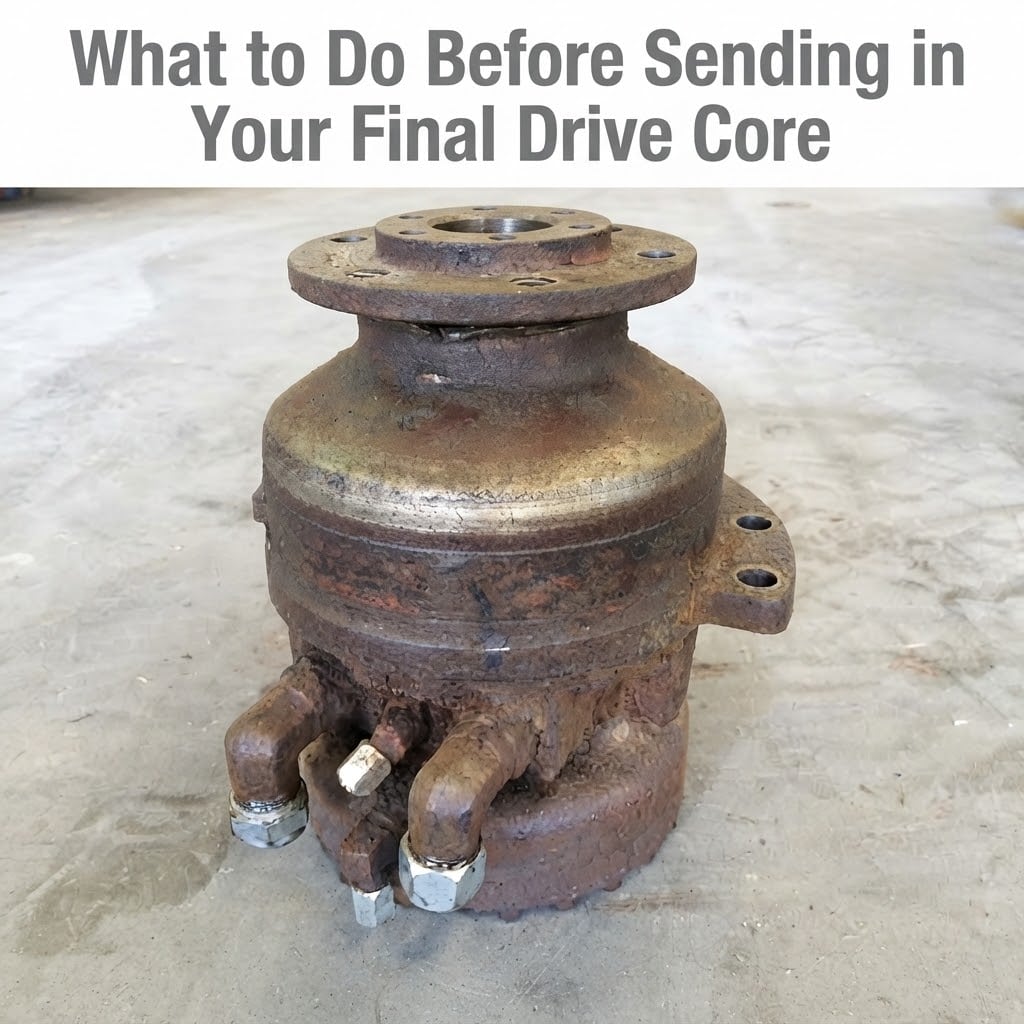
What to Do Before Sending in Your Final Drive Core

To prepare a final drive core for return shipping, confirm you have the right unit, leave it assembled, drain the hydraulic fluid and gear oil, cap all ports, secure loose parts, photograph everything, include your paperwork, and package it to support the full weight of the drive. To learn, keep reading!


Here are a few other blog posts you might be interested in:


When you purchase a new or reman final drive, you have to remove the old one. The term core refers to the used final drive you’re replacing. If the housing, flange, and ports are still in good condition, then there’s a good chance the old final drive can be remanufactured. Even if they don't appear to be in good condition, snap a few pictures and send them to the experts. The core may still be salvageable! However, if you don’t package it properly, it can end up being damaged on the way to us.

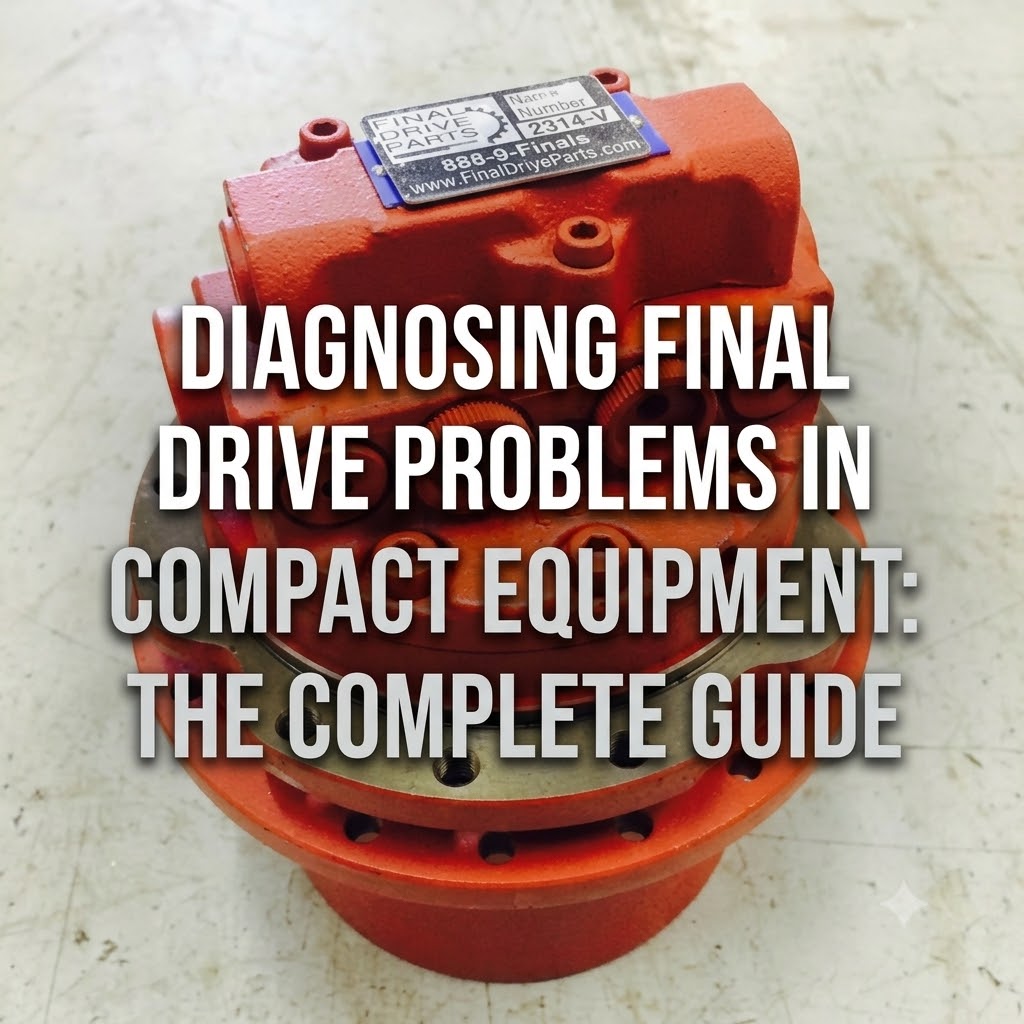
Diagnosing Final Drive Problems in Compact Equipment: The Complete Guide

When a final drive starts acting up, the instinct is to jump straight to "I need a new one." Sometimes that's true. Often it isn't. A weak charge pump, a clogged case drain filter, tracks set too tight, or a machine stuck in high-speed mode can all mimic final drive failure perfectly. And if you replace the drive without finding the real cause, you'll be back in the same spot in a few hundred hours, except now you're out the cost of a motor too.

This guide pulls together everything we've learned diagnosing final drives at Texas Final Drive. From the questions to ask before you even open a toolbox, to symptom-by-symptom troubleshooting, to the tests our techs actually run in the shop, you can find information here. Whether you're running a single skid steer or managing a fleet, the goal is the same: figure out what's really wrong before you spend a dollar fixing it.

Hidden Ways Your Mini Excavator Final Drives Cost You Money (and How to Stop It)

You’re wrapping up a long day when you notice something small, like sluggish travel speed, uneven tracks, or a dark spot under your machine. It’s easy to ignore, right? And doesn’t seem to be a big deal. It can wait a few days. But far too often, a few days turn into weeks and months, and minor issues turn into significant problems fast. And keep this in mind: Every minute of downtime, every drop of leaking fluid, and every bit of neglect quietly eats into your bottom line.

In this Shop Talk Blog post, we’re going to look at five ways your mini excavator might be draining your wallet and what you can do about it.


Here are a few Shop Talk Blog posts you might find interesting:


Ignoring Track Tension

If you don’t keep the tracks on your compact excavator at the proper tension, there’s going to be some problems. If you keep them too tight, you’re going to see excessive wear on critical components like the sprockets and rollers -- and your final drive motors. On the other hand, if the tracks aren’t kept tight enough, the tracks are more likely to slip and risk derailing in the middle of a job. 

Reliability and Your Hydraulic Equipment

Have you ever had a skid steer or excavator break down in the middle of a big job?

Hydraulic reliability isn’t just about uptime. It’s actually about keeping your equipment operational to avoid lost income, missed deadlines, and protecting the investment you've made in your equipment. 

In this Shop Talk Blog, we’re going to discuss how reliability is built, not something to take for granted. It starts with good habits, regular checks, and a strong maintenance culture.


Here are a few other Shop Talk Blog posts you might be interested in:


The Cost of Unreliable Hydraulics

A single hydraulic failure can have ripple effects on your compact equipment, including costly downtime, missed deadlines, and expensive repairs. And contamination and improper maintenance are among the top causes of failure for hydraulic equipment. Investing in the reliability of your equipment, on the other hand, pays for itself in fewer breakdowns, longer component life, and the ability to maintain the equipment's value. Let’s take a look at what your investment in reliability looks like.

A Masterclass in Maintaining Your Final Drives

If there’s one thing we know here at Texas Final Drive, it’s how we wish people would maintain their final drive motors. That’s why we’ve come up with this comprehensive guide to final drive motor maintenance. It touches on more than just the final drives, though, because issues such as track tension and even a dirty undercarriage can impact the performance of your final drives and cause premature wear.

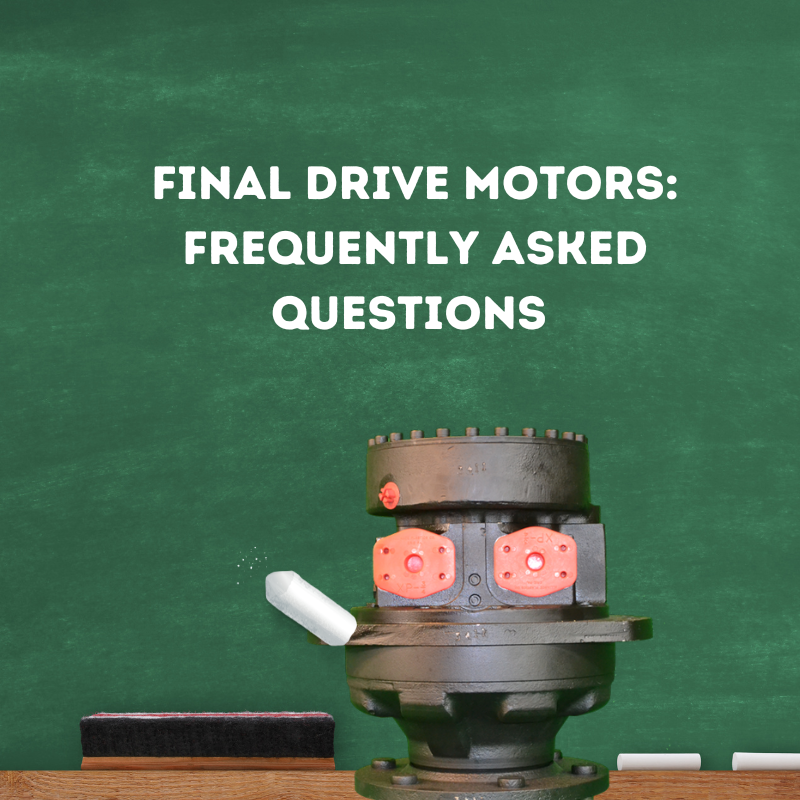
Final Drive Motors: Frequently Asked Questions

Final drive motors are essential components in heavy machinery. They turn hydraulic energy into mechanical motion to propel equipment. Understanding their function, maintenance, and common issues is crucial for optimal performance and longevity. Here are some frequently asked questions about final drive motors.


Here are some other Shop Talk Blog posts you might be interested in:


What is a final drive motor?

A final drive motor is a hydraulic motor that converts hydraulic pressure into mechanical torque. It drives the tracks or wheels of both heavy and compact equipment like excavators, compact track loaders, and skid steer loaders. A final drive motor combines a hydraulic motor with a gear reduction system to provide the necessary force for movement.

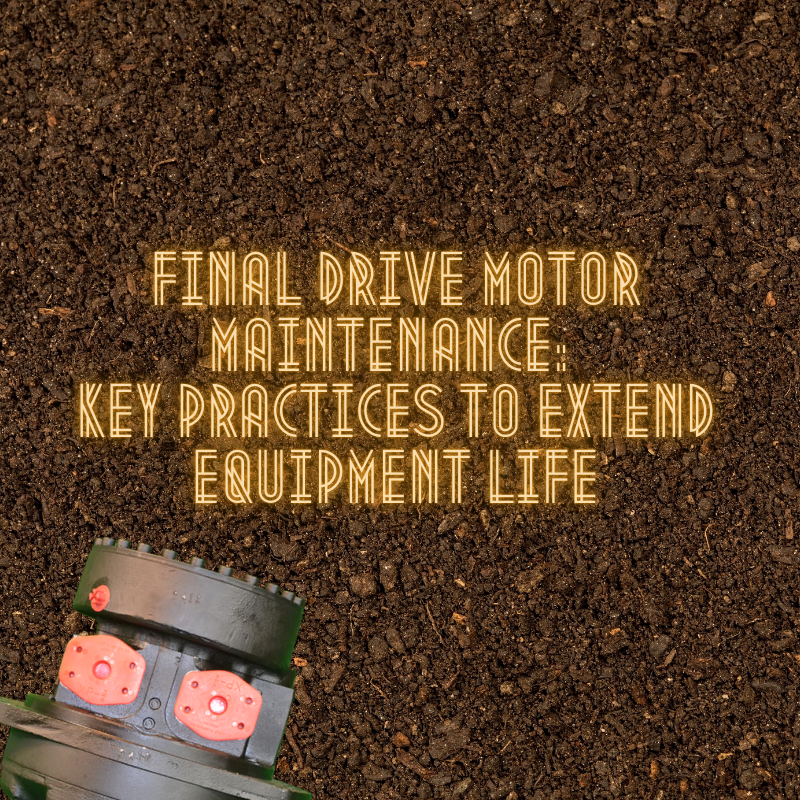
Final Drive Motor Maintenance: Key Practices to Extend Equipment Life

As an owner or operator of compact and heavy equipment, you play a crucial role in maintaining your final drive motor. Your efforts in this area improve your equipment's performance and help avoid costly repairs and downtime. 

We know how essential maintenance is to your equipment's performance and value, so here’s a guide to final drive motor maintenance. This Shop Talk Blog post focuses on industry best practices to keep your motors in top shape.


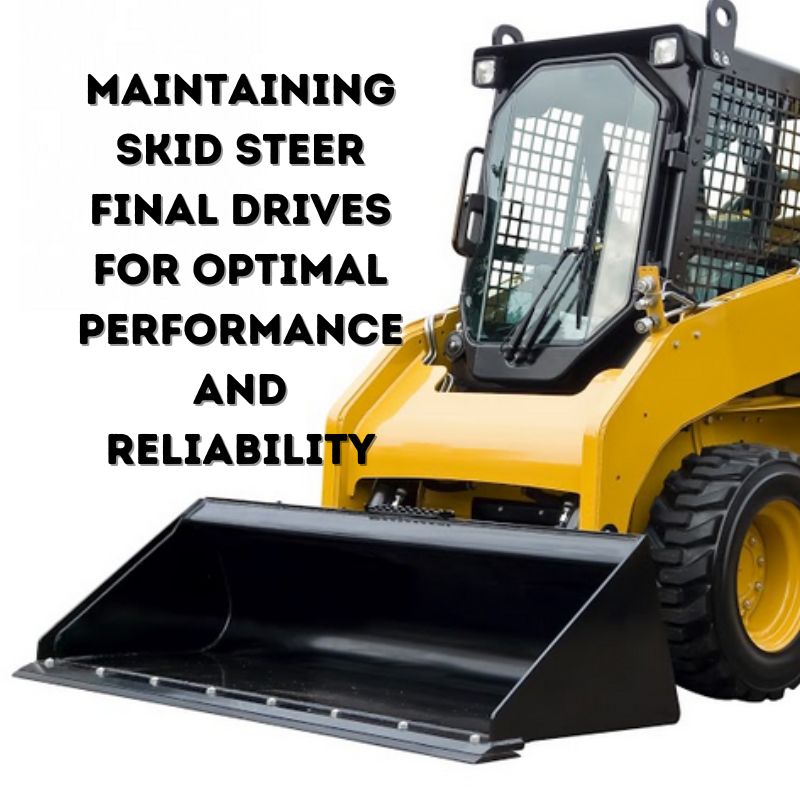
Maintaining Skid Steer Final Drives for Optimal Performance and Reliability

by Jim Strong | Feb 29, 2024 |

Final Drive Maintenance, Gear oil, Leaks, Duo-cone Seal

|
0 Comments

We know that it’s vital to keep your skid steers rolling year-round and that the key to their reliability and performance lies in maintenance.

In this Shop Talk blog post, we’ll discuss the key maintenance tasks for skid steer final drivesthat will increase their uptime, reduce repair costs, and extend their lifespan.


Here are some additional blog posts you might be interested in:

"Shop Talk Blog" Email Updates

Connect blog-rss-feed 

Posts by Topic

see all