Shop Talk Blog

The Official Blog for Texas Final Drive

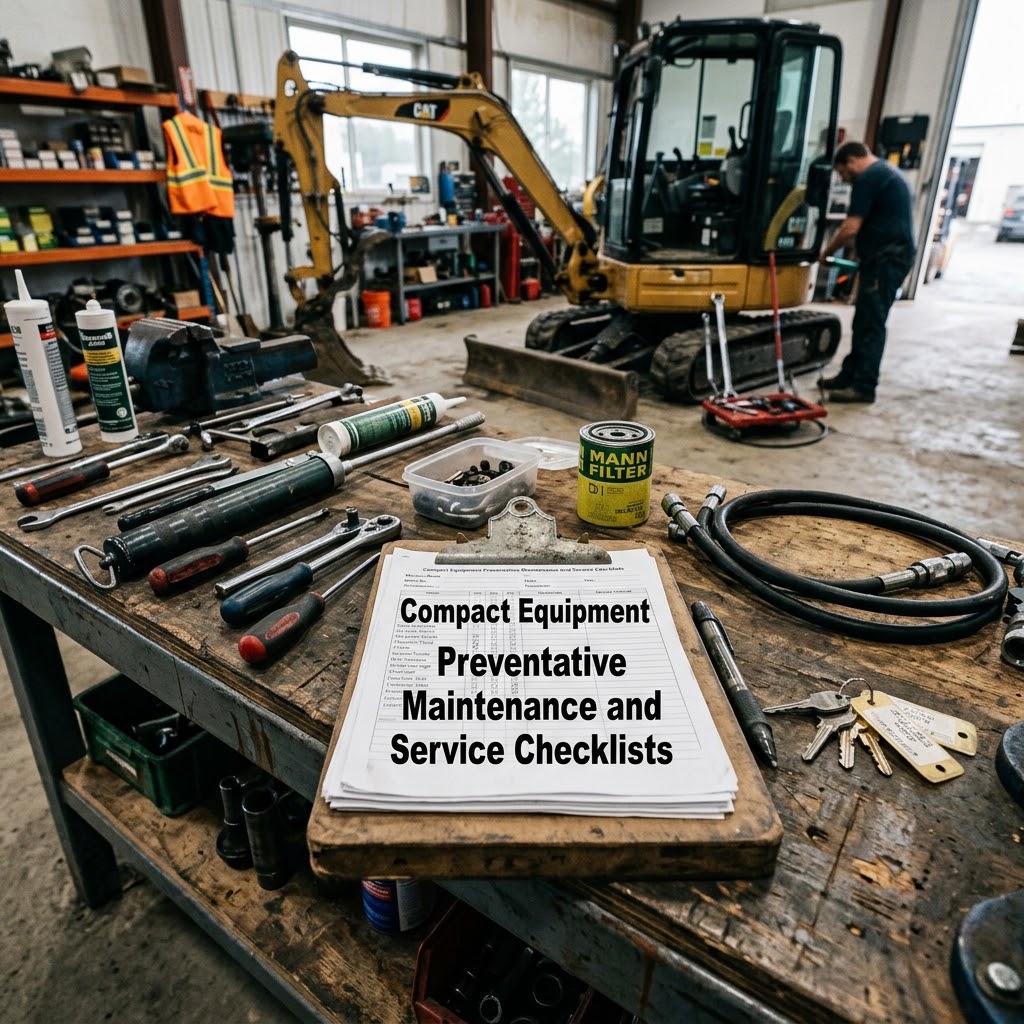
Compact Equipment Preventative Maintenance and Service Checklists

Preventative maintenance can transform an unexpected, costly, reactive repair cycle into a predictable, proactive management strategy. Is it worth the trouble, though? We think so. That’s why we prepared suggested maintenance schedules based on industry best practices.

Why Preventative Maintenance is Crucial to Your Equipment

Minimizing Downtime: An unexpected breakdown of a single primary asset (like an excavator) can stall an entire job site, leading to lost productivity costs of $450 to $760 per hour (for example), plus emergency technician travel and repair fees. It can also throw a job behind schedule, causing problems for your client and for your reputation.

Preventing "Domino-Effect" Catastrophic Failures: It’s a fact: seemingly minor, inexpensive maintenance failures can lead to very expensive component damage. For example, failing to replace a $20 case drain filter leads to line clogging, which spikes internal hydraulic pressure. That pressure spike will eventually blow out the main shaft seal, dilute your gear oil, destroy internal bearings/pistons, and can crack the cover plate. Failing to replace a $20 part can destroy a multi-thousand-dollar final drive motor.

Lowering TCO: Preventative maintenance reduces moving friction, which directly lowers fuel consumption, limits parts wear, and improves overall tractive effort. It also reduces repair costs and increases productivity.
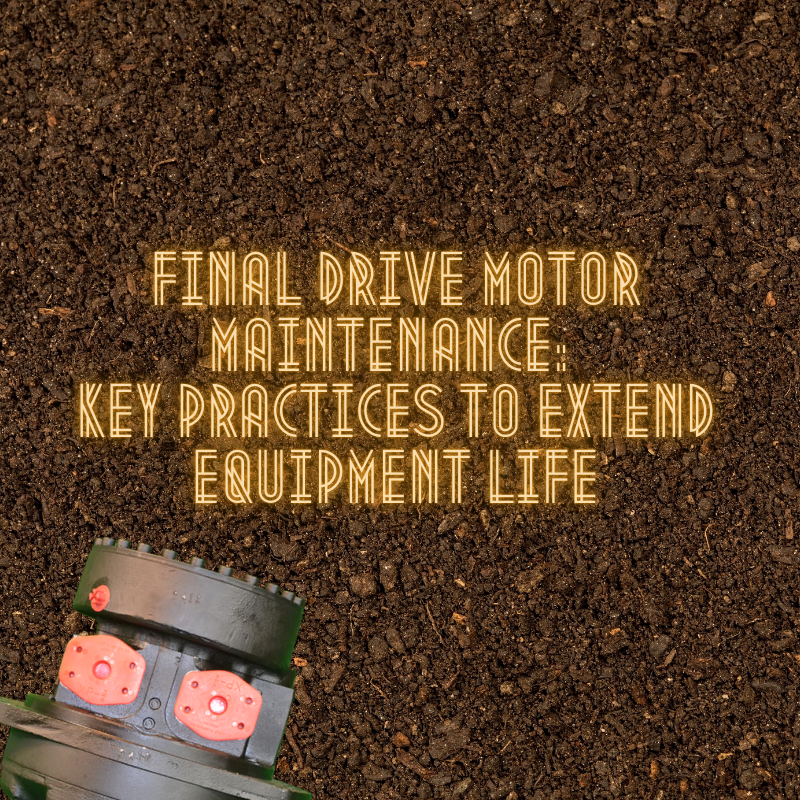
Final Drive Motor Maintenance: Key Practices to Extend Equipment Life

As an owner or operator of compact and heavy equipment, you play a crucial role in maintaining your final drive motor. Your efforts in this area improve your equipment's performance and help avoid costly repairs and downtime. 

We know how essential maintenance is to your equipment's performance and value, so here’s a guide to final drive motor maintenance. This Shop Talk Blog post focuses on industry best practices to keep your motors in top shape.


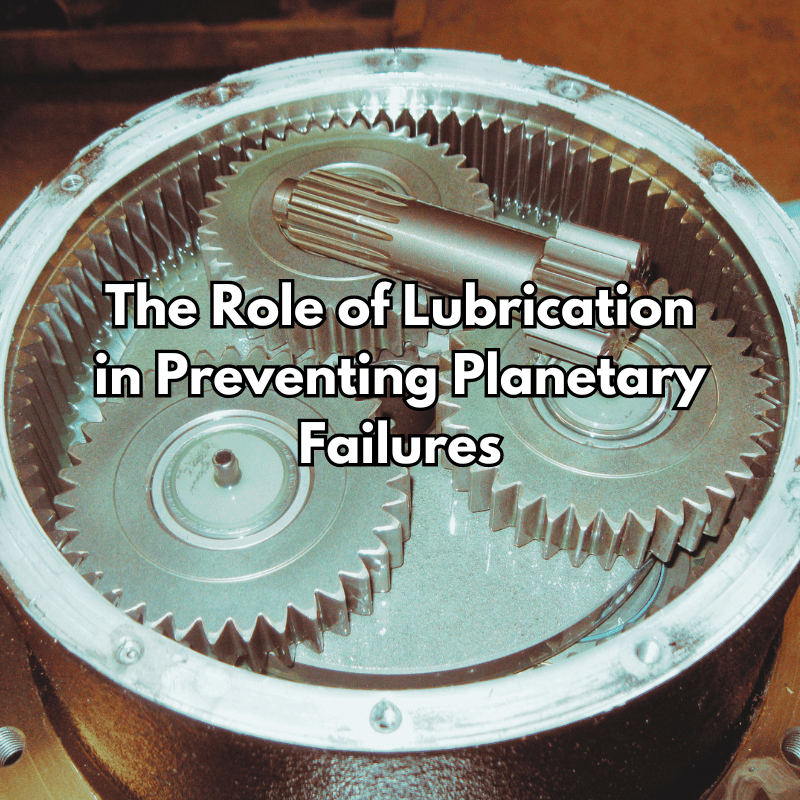
The Role of Lubrication in Preventing Planetary Failures


The planetary on your final drive motor generates tremendous amounts of torque and requires lubrication to provide high performance and extend the life of its components. In this Shop Talk Blog post, we'll talk about lubrication's role in preventing planetary failure.


Basics of Skid Steer Loaders

Here's some basic information about skid steers, including how they are categorized, operating costs, maintenance, and -- of course -- final drive motors.

Final Drive Maintenance: Gear Oil

We've seen far too many final drives damaged or outright ruined because of poor maintenance. We'd like to take this opportunity to provide you with some really good reasons why checking and changing your gear oil needs to be a part of your regular maintenance.


Here are a few other blog posts you might be interested in ...

Final Drives and Tigers

So what do tigers have to do with final drives? Well, read on to find out!


Here are some other blog posts you might find interesting ...

Duo Cone Face Seal Failure

You may have a final drive motor or track drive that has a Duo-cone seal (aka, floating face seal). If you do, then you probably would like to know what causes premature failure of these seals so you can make sure yours lasts as long as possible -- and that's the topic of this Shop Talk blog post.


Here are other blog posts you might find interesting ...

Bobcat Mini Excavator Final Drive Motor Removal

Do you own or operate a Bobcat mini-excavator? How much do you know about removing the track drive motor?  Well, in this Shop Talk Blog post we are going to review the steps involved in removing the drive motor safely and easily.

Check out these other articles on mini excavators and final drive motors:


8 Reasons Why You Shouldn't Ignore Your Hydraulic Motors

Even though it means less money for us, we want to encourage our readers and customers to make sure they take good care of their final drive motors. In this Shop Talk Blog post, our topic deals with the various reasons why you shouldn’t ignore your hydraulic final drive motors.


Here are some additional posts you might want to look at ...

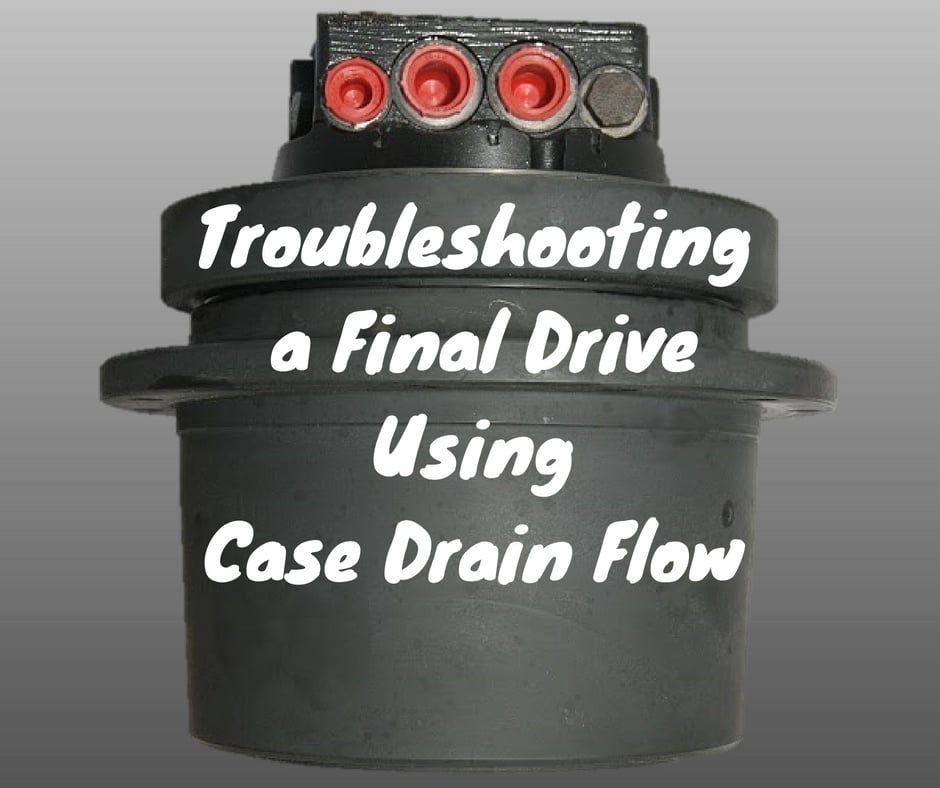
Troubleshooting a Final Drive Using Case Drain Flow

One way to troubleshoot a final drive that seems weak is to take a look at the rate of flow from the case drain line. In this Shop Talk Blog post, we are going to review the purpose of a case drain line, look at what case drain flow can tell us about a final drive, and then discuss how to estimate the case drain flow. We'll finish up by looking at how to evaluate the case drain flow to determine if the problem is your final drive.

"Shop Talk Blog" Email Updates

Connect blog-rss-feed 

Posts by Topic

see all