
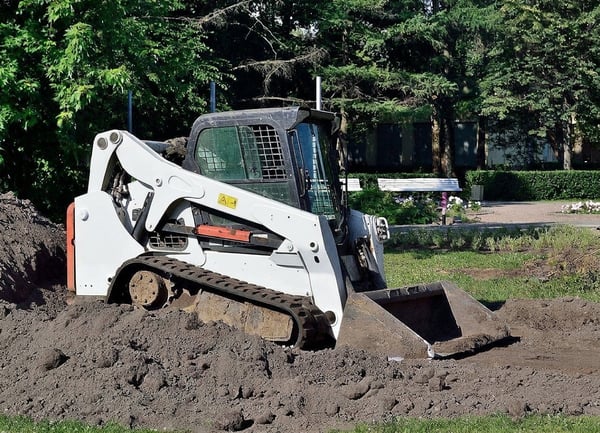
The Bobcat S650 and Bobcat T650 are everywhere. One is Bobcat's vertical-lift skid steer. The other is the track loader built on the same platform. Thousands of them are working today, and most will put in a decade or more before the final drives need attention.
When that day comes, here's what you need to know.
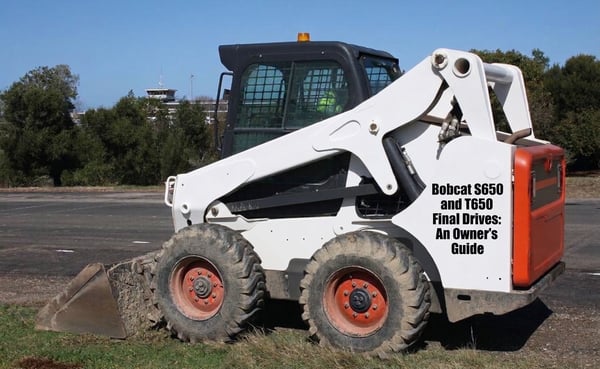
What These Machines Use
Each side of the machine has its own hydraulic final drive motor. Some are single-speed. Some are two-speed. That one detail matters more than you'd expect. It changes how the machine behaves when something goes wrong, and it decides which replacement unit fits. If you don't know which you have, find out before you order anything.
The Failures We See
Here at Texas Final Drive, we troubleshoot, repair, and remanufacture final drives from all kinds of machines. The S-series doesn't fail in exotic ways. The failures we see trace back to the same three things that take out Bobcat drives everywhere.
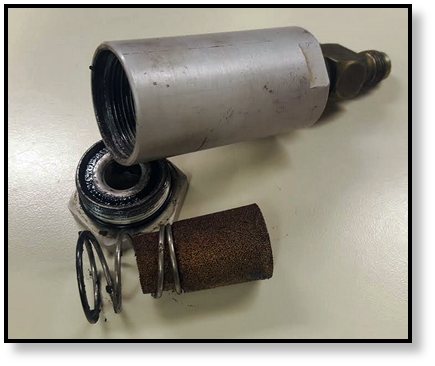
A clogged case drain filter. This is the big one. The case drain line is supposed to be a low-pressure return. When the filter clogs, pressure builds where it shouldn't. Seals fail. Hydraulic fluid and gear oil mix. In the worst cases, the cover plate cracks or worse. The fix costs almost nothing — replace the case drain filter whenever you replace the other hydraulic filters. Most of the drives we see fail this way never needed to.
Gear oil neglect. Check the gear oil about once a month or every 100 hours, whichever comes first. Change it at least once a year. If the oil comes out with glitter in it, stop. That's metal, and it means something inside is already coming apart.
Leaks that get ignored. Thin, fast-leaking fluid points to the hydraulic side. Thicker fluid around the sprocket is usually gear oil from a worn face seal. Neither one fixes itself. If fluid can get out, dirt can get in, and dirt kills drives.
One Side or Both?
When a machine comes in weak, the first question is simple: one side or both?
One side weak points at that side's circuit — the drive, its brake, its two-speed valve, or its pump section. Both sides weak points at the shared stuff first: charge pressure, hydraulic fluid, filters. Two final drives rarely fail at the same time. If yours did, look for the common cause before you look for two new motors.
Replacing a Drive
When a drive is done, you have options. A new aftermarket unit. A remanufactured unit. OEM from the dealer. Each has trade-offs in cost, lead time, and warranty, and we've covered them in detail elsewhere on this blog.
Three things specific to these machines:
Know your speed. A single-speed unit and a two-speed unit are not interchangeable. Confirm what's on your machine before you shop.
Your core has value. A dead drive is still worth something as a reman core. Don't scrap it and don't let it disappear. Ask about core credit when you get a quote.
Ask about pairs. Some Bobcat drives are serviced in pairs rather than one at a time. Ask your supplier about their policy on your model before you commit, so the quote you get is the number you pay.
The Short Version
The S650 and T650 final drives are stout. We see failures from skipped maintenance far more than weak parts. Replace the case drain filter with the other filters. Check the gear oil monthly. Deal with leaks the week you find them. Do that, and the odds are good you'll never need the rest of this article.
If you're already past that point — one side weak, noise from the hub, glitter in the oil — call us before you order anything. A ten-minute conversation can save you from replacing the wrong part.